Plot Management
Sep 2024
Autumn Allotment Prep: Winterising Your Plot

Autumn is one of the most important seasons on the allotment. What you do now determines how easy spring will be, how healthy your soil becomes, and how productive next year’s crops will be. Good winter preparation doesn’t mean stripping the plot bare — it means protecting soil, tidying thoughtfully, and planning ahead.
This guide explains what to clear, what to leave, how to protect beds, and how to prepare without overworking the plot.
🍂 1. Why Autumn Preparation Matters
Autumn prep helps you:
protect soil from winter rain and compaction
reduce weeds and pests next year
improve soil structure naturally
spread workload away from busy spring
Skipping autumn prep often leads to:
waterlogged soil
harder spring digging
early weed explosions
🧹 2. Clearing Summer Crops (What to Remove & What to Leave)
Remove:
spent annual crops (beans, courgettes, salads)
diseased plant material (do not compost)
damaged or rotting fruit
Leave (or compost later):
healthy crop residues (chopped small)
roots in the soil (they improve structure)
overwintering crops (leeks, brassicas, kale)
👉 Avoid stripping beds completely bare unless necessary.
🌱 3. Composting & Recycling Plant Waste
Autumn produces a lot of organic material.
Best practice:
Chop material before composting
Compost healthy plant waste
Keep diseased material out of compost heaps
Autumn is ideal for:
building new compost heaps
turning existing heaps
stockpiling leaves for leaf mould
🌾 4. Improving & Protecting Soil Over Winter
Add Organic Matter
Autumn is the best time to add:
compost
well-rotted manure
leaf mould
These break down slowly over winter, improving soil by spring.
Cover Bare Soil (Critical Step)
Bare soil suffers from:
nutrient loss
compaction
weed growth
Cover options:
compost or manure mulch
cardboard + mulch (no-dig)
green manures
overwintering crops
🌿 5. Green Manures (Optional but Powerful)
Green manures:
protect soil from erosion
improve structure
suppress weeds
Good autumn options:
field beans
grazing rye
winter tares
They can be cut down or incorporated in spring.
🛠️ 6. Tidying Structures, Tools & Paths
Tools
Clean and dry tools
Oil metal parts
Repair handles
Structures
Check sheds and greenhouses
Secure loose panels
Remove shading
Paths
Add woodchip or bark
Improve drainage
Reduce winter mud
❄️ 7. Preparing Crops for Winter Weather
Protect:
garlic and overwintering onions
brassicas in exposed sites
Methods:
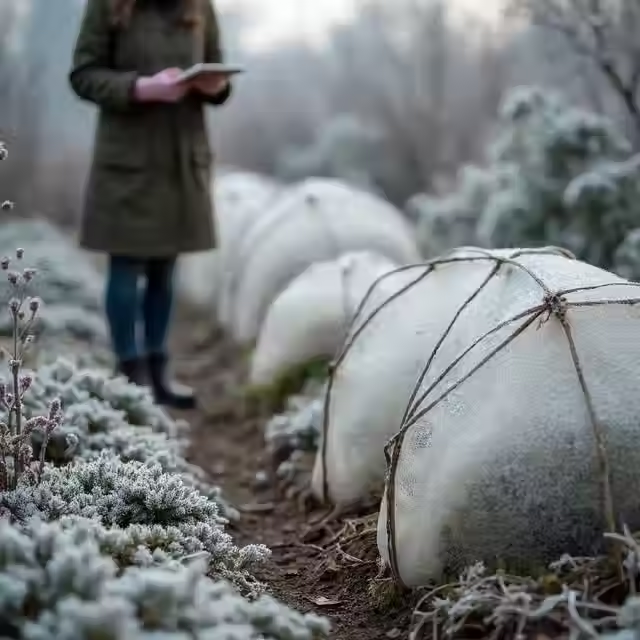
fleece during cold snaps
windbreaks
mulching roots
Avoid over-protecting — plants need airflow.
🐦 8. Wildlife-Friendly Winter Prep
Autumn is a great time to:
leave some seed heads
create log piles
avoid over-tidying
This encourages:
birds
beneficial insects
natural pest control next season
📋 9. Planning for Next Year (Don’t Skip This)
Autumn is ideal for:
reviewing what worked
noting pest or disease issues
planning crop rotation
ordering seeds early
🧠 Key Autumn Principles
Protect soil first
Don’t rush heavy digging
Organic matter now = easier spring
Tidy thoughtfully, not obsessively
Quick Guide Info
Season:
Difficulty:
Updated:
Plot Management
Sep 2024
Join the Discussion
Share your experience with this guide and learn from other gardeners.
Related Growing Guides
Sorry, no other guides found for this season.




Advertisement Space
Place your ads here