Growing Guides for
UK Allotments
Our growing and plot guides are simple, free, accessible (minimal advertising) and tailored to British growing conditions, from beginner basics to advanced techniques.
If you have any advice or tips to add please get in touch.
Browse by Season
Season:
Level:

Starting Your Allotment: A Short Guide for Beginner's
Starting an allotment is exciting — and a little daunting. New plot holders often feel pressure to do everything at once, but the most successful allotments are built gradually, with observation, planning, and realistic goals.
This guide shows you what to do first, what can wait, and how to avoid common mistakes, whether your plot is tidy or completely overgrown.
🌱 1. What to Do First (Before You Dig)
Visit, Observe, and Take Notes
On your first few visits:
Walk the whole plot
Note sunny vs shady areas
Locate water points and paths
Identify weeds and existing structures
Take photos (great motivation later)
👉 Resist the urge to start digging immediately.
Check Rules & Expectations
Every allotment site is different. Check:
Bonfire rules
Structures (sheds, greenhouses)
Water usage
Livestock or bees
Inspection standards
Knowing this early avoids wasted effort.
🧹 2. Clearing a New or Overgrown Plot
You do not need to clear everything at once.
Best approach for beginners
Clear ¼–½ of the plot in year one
Cover the rest with cardboard, membrane, or green manure
Focus on manageable areas
Clearing methods
Digging: fast but disruptive
No-dig: slower but improves soil
Covering: easiest for heavily overgrown plots
Choose the method you can maintain, not the one that looks fastest.
🗺️ 3. Planning Your Allotment Layout
Good layout saves time and effort later.
Key planning principles
Standard beds (1–1.2m wide)
Permanent paths
Access to water
Space for composting
Don’t over-design — allotments evolve.
🛠️ 4. Essential Tools (Start Small)
You don’t need everything at once.
Core essentials
Spade or fork
Hoe
Trowel
Watering cans
Gloves
Buy quality basics and add tools as needs become clear.
🌾 5. Choosing What to Grow First
Start with reliable, forgiving crops.
Beginner-friendly crops
Potatoes
Onions and garlic
Beans
Courgettes
Salad leaves
Avoid crops that:
take a long time
need specialist care
take up lots of space early on
Early success builds confidence.
🌱 6. Understanding Your Soil
Most allotment soils start off poor or compacted.
What to do in year one
Add compost or well-rotted manure
Avoid walking on beds
Mulch bare soil
Don’t chase perfection
Soil improves with use, not neglect.
⏳ 7. Setting Realistic Expectations
Your first year is about:
learning your site
understanding seasons
building habits
It’s normal to:
lose some crops
feel behind mid-season
change plans often
A productive allotment is used, not perfect.
🧠 Key Principles for New Allotment Holders
Progress beats perfection
Small wins matter
Healthy soil solves many problems
You can’t learn everything in one year
Photo by david hughes on Unsplash
Starter Guide

Composting Masterclass: Black Gold for Your Allotment
Composting is one of the most valuable skills for allotment gardeners. Done well, it improves soil structure, feeds crops, reduces waste, and cuts watering needs. Done badly, it can become slow, smelly, or full of pests.
This guide explains how composting works, what to add (and avoid), how to fix common problems, and how to compost successfully on a typical allotment site.
🌱 1. What Composting Actually Is (and Why It Matters)
Composting is a controlled natural process where microorganisms break down organic material into a dark, crumbly soil improver.
Good compost:
improves soil structure
increases water retention
feeds soil life (not just plants)
reduces need for bought compost and fertilisers
On allotments, composting is especially important because:
soil is often poor or compacted
large volumes of plant waste are produced
importing compost is expensive and labour-intensive
🧺 2. Composting Systems on Allotments
Compost Heaps (Open or Binned)
The most common allotment method.
Typical setups:
Wooden pallet bays (often 2–3 bays)
Plastic compost bins
Open heaps (less tidy, slower)
Best practice:
At least two bays:
one “active” (being filled)
one “resting” (finishing compost)
🍃 3. What to Compost: Greens & Browns Explained
Successful compost relies on balance, not precision.
“Greens” (Nitrogen-rich)
These speed decomposition.
vegetable peelings
fresh weeds (no seeds)
grass clippings
green plant waste
“Browns” (Carbon-rich)
These provide structure and air.
cardboard (plain, torn up)
paper
straw
dry leaves
wood chips (small amounts)
👉 Aim for roughly 50:50 by volume, but don’t overthink it.
🚫 4. What NOT to Compost (or Use with Care)
Avoid:
cooked food
meat, fish, dairy
dog or cat waste
diseased plants (unless hot composting)
perennial weeds with roots (bindweed, couch grass)
These attract pests or survive the composting process.
🔥 5. Hot vs Cold Composting (Allotment Reality)
Cold Composting (Most Common)
Add material gradually
Takes 6–18 months
Kills fewer weed seeds
Low effort
Hot Composting
Large volumes added at once
Needs turning
Reaches high temperatures
Faster (2–4 months)
👉 Most allotment composting is cold composting — and that’s fine.
🔄 6. How to Build a Compost Heap (Step-by-Step)
Start with a coarse base (twigs, straw)
Add alternating layers of greens and browns
Water lightly if dry
Keep heap damp, not wet
Cover if possible (retains heat and moisture)
Turning:
Speeds decomposition
Adds air
Optional but helpful
🐀 7. Preventing Smells & Pests
To avoid smells:
Add browns if compost is wet or slimy
Turn heap to introduce air
To deter rats:
Avoid food waste
Bury fresh material
Use wire mesh base if needed
A healthy heap smells earthy, not rotten.
🌾 8. When Is Compost Ready to Use?
Finished compost is:
dark brown to black
crumbly
smells like soil
no recognisable food waste
Uses on the allotment:
mulch beds
improve soil before planting
potting mixes (screened)
Plot Management

Spring Allotment Preparation: Getting Your Plot Ready for the Growing Season
Spring is the most exciting — and busiest — time on the allotment. What you do in early spring sets the tone for the entire growing season. Good spring preparation isn’t about rushing to plant everything; it’s about soil readiness, timing, and smart early decisions that make the rest of the year easier.
This guide walks you through what to do first, what to delay, and how to prepare efficiently, whether it’s your first year or your tenth.
🌱 1. Why Spring Preparation Matters
Spring prep helps you:
warm and prepare soil for planting
reduce weeds before they establish
avoid compacting wet soil
get crops off to a strong start
Poor spring prep often leads to:
stunted plants
wasted seeds
constant firefighting later in summer
👀 2. First Job: Inspect the Plot
Before doing anything physical:
Walk the plot and check winter damage
Look for waterlogged areas
Inspect paths, beds, and structures
Note what survived winter
👉 This prevents working soil that isn’t ready.
🌾 3. Preparing Soil for Spring Planting
Don’t Work Wet Soil
If soil sticks to boots or tools, leave it alone. Working wet soil causes long-term compaction.
Light Soil Preparation (Best Practice)
Instead of heavy digging:
Gently fork compacted areas if needed
Rake beds level
Remove large weeds while small
If beds were mulched in autumn:
Pull mulch aside to allow soil to warm
Return it once crops are established
Feeding the Soil
Spring feeding should be gentle.
Best options:
sieved compost
well-rotted manure (light layer)
homemade compost
Avoid heavy feeding too early — seedlings don’t need it yet.
🌱 4. Sowing & Planting: Timing Is Everything
Early Spring (Feb–Mar, weather dependent)
Broad beans
Onions and shallots
Peas
Early salads
Mid-Spring (Mar–Apr)
Potatoes
Carrots (with protection)
Beetroot
Spinach
Late Spring (Apr–May)
Beans
Courgettes
Sweetcorn
Squash
👉 It’s better to sow a little later into warm soil than rush into cold ground.
🌬️ 5. Protection From Spring Weather
Spring brings:
late frosts
strong winds
heavy rain
Use:
fleece for cold snaps
cloches for early crops
windbreaks for exposed plots
Remove protection on mild days to avoid overheating.
🐛 6. Dealing With Early Pests & Weeds
Weeds
Remove weeds while small
Hoe on dry days
Mulch once soil warms
Pests
Slugs target young seedlings
Birds pull up new plants
Early prevention:
barriers
netting
careful watering
🛠️ 7. Tools, Water & Infrastructure
Spring is the time to:
clean and sharpen tools
check communal water access
repair beds and supports
set up compost bays
Doing this early saves time later.
📋 8. Planning & Pacing Yourself
Avoid the spring burnout trap:
Don’t plant everything at once
Leave space for succession sowing
Expect weather delays
A half-planted plot in good condition beats a fully planted plot that’s struggling.
Plot Management

Pest and Disease Management: Organic Solutions
Pests and diseases affect every allotment at some point. The aim isn’t total elimination, but understanding the problem, choosing the least harmful effective solution, and preventing repeat issues.
This guide explains what each control method actually is, how it works, how to use it properly, and when it makes sense to move up to stronger interventions.
🐌 SLUGS & SNAILS
The Problem
Slugs and snails feed mostly at night and are most damaging to:
seedlings
young leafy crops (lettuce, brassicas)
courgettes and beans
Damage usually appears as irregular holes, missing seedlings, or slime trails.
Organic Solutions
Beer Traps
Beer traps exploit the fact that slugs are attracted to yeast.
How to make one:
Sink a shallow container (e.g. yogurt pot) into the soil so the rim is level with the surface
Fill halfway with beer (cheap beer works fine)
Leave overnight and empty regularly
Pros:
Cheap and easy
Effective short-term reduction
Cons:
Attracts slugs from nearby areas
Needs frequent emptying
Not a complete solution
➡ Best used for monitoring or short-term control, not as a standalone strategy.
Barriers (Copper, Grit, Wool Pellets)
These create surfaces slugs dislike crossing.
Copper tape gives slugs a mild electric shock reaction
Sharp grit or crushed eggshells irritate their bodies
Wool pellets swell when wet, creating a physical barrier
Best for:
Containers
Raised beds
High-value crops
Hand Removal
Going out after dark with a torch and removing slugs manually.
Why it works:
You interrupt breeding cycles early in the season.
Tip:
Drop slugs into salty water or relocate far from the plot (if permitted).
Encouraging Predators
Natural slug predators include:
frogs and toads
ground beetles
birds
How to encourage them:
Leave log piles
Avoid slug pellets
Provide water sources
Non-Organic Solutions
Ferric Phosphate Pellets
These pellets cause slugs to stop feeding and die underground.
Why they’re preferred:
Approved for organic use
Safer for pets and wildlife
No slime trails
How to use properly:
Scatter sparingly
Reapply after heavy rain
⚠️ Avoid metaldehyde pellets — now restricted or banned in many areas.
🐜 APHIDS (GREENFLY & BLACKFLY)
The Problem
Aphids suck sap from soft growth, weakening plants and spreading disease. They often appear suddenly in warm weather.
Organic Solutions
Jet of Water
A strong spray physically knocks aphids off plants.
Why it works:
Aphids struggle to climb back and are vulnerable once dislodged.
Use when:
Infestation is light to moderate
Plants are sturdy enough to handle water pressure
Neem Oil / Fatty Acid Sprays
These sprays:
coat aphids
disrupt feeding
dehydrate soft-bodied insects
How to use:
Spray in the evening
Cover undersides of leaves
Repeat weekly if needed
⚠️ Avoid spraying during flowering to protect pollinators.
Encouraging Beneficial Insects
Ladybirds, lacewings, and hoverfly larvae eat aphids.
How to attract them:
Grow flowers like calendula, borage, alyssum
Avoid broad-spectrum sprays
Non-Organic Solutions
Systemic Insecticides
These are absorbed by the plant and kill insects that feed on it.
Why they’re effective:
They work even when insects are hidden.
Major downsides:
Kill pollinators
Persist in the environment
Often unnecessary on allotments
➡ Use only for severe, persistent infestations and check site rules.
🐦 BIRDS (PIGEONS & SMALL BIRDS)
The Problem
Birds strip leaves from brassicas, eat fruits and pull out seedlings.
Physical Protection (Best Practice)
Netting
Netting is the most reliable solution when used correctly.
Correct installation:
Use fine mesh (not string netting)
Secure edges tightly to the ground
Support netting above plants with hoops or frames
⚠️ Loose netting can trap wildlife — always keep it taut.
Fleece
Lightweight fabric that:
protects from birds
adds warmth
allows light and water through
Best for:
seedlings
early spring crops
🥕 CARROT FLY
The Problem
Adult flies lay eggs near carrots; larvae tunnel into roots.
Organic Solutions
Mesh Barriers
Carrot fly stays close to the ground.
Solution:
Use fine mesh or fleece barriers at least 60cm high
Ensure no gaps
Growing in Containers
Carrot fly struggles to reach raised containers.
Why it works:
Physical separation breaks the life cycle.
🍅 BLIGHT (POTATOES & TOMATOES)
The Problem
Blight is a fungal disease that spreads rapidly in warm, damp conditions.
Prevention (Only Real Control)
Good Airflow
Space plants well
Remove lower leaves
Avoid overcrowding
Watering at Soil Level
Wet leaves encourage spores.
Best practice:
Water in the morning
Water soil, not foliage
Non-Organic Options
Fungicides can slow spread but cannot cure blight once established.
➡ Immediate removal of infected plants is usually more effective.
🍂 POWDERY MILDEW
The Problem
Appears as white powdery coating on leaves, often in dry conditions.
Organic Solutions
Improving Growing Conditions
Powdery mildew thrives on stressed plants.
Fix by:
Regular watering
Better spacing
Improving soil fertility
Milk or Bicarbonate Sprays
These change leaf surface pH, making it hostile to mildew.
Use sparingly:
They manage symptoms rather than cure causes.
🛡️ PROTECTION STRATEGY: WHAT WORKS BEST?
Most effective overall:
Healthy soil
Correct spacing
Physical barriers
Observation and early action
Sprays — organic or not — should always be last, not first.
✅ KEY PRINCIPLES TO REMEMBER
Most problems are seasonal and temporary
Healthy plants resist pests better
Physical protection beats chemical control
Do the minimum needed, not the maximum possible
Get in touch if you have any other hints or tips from your allotment experiences
Plot Management

Autumn Allotment Prep: Winterising Your Plot
Autumn is one of the most important seasons on the allotment. What you do now determines how easy spring will be, how healthy your soil becomes, and how productive next year’s crops will be. Good winter preparation doesn’t mean stripping the plot bare — it means protecting soil, tidying thoughtfully, and planning ahead.
This guide explains what to clear, what to leave, how to protect beds, and how to prepare without overworking the plot.
🍂 1. Why Autumn Preparation Matters
Autumn prep helps you:
protect soil from winter rain and compaction
reduce weeds and pests next year
improve soil structure naturally
spread workload away from busy spring
Skipping autumn prep often leads to:
waterlogged soil
harder spring digging
early weed explosions
🧹 2. Clearing Summer Crops (What to Remove & What to Leave)
Remove:
spent annual crops (beans, courgettes, salads)
diseased plant material (do not compost)
damaged or rotting fruit
Leave (or compost later):
healthy crop residues (chopped small)
roots in the soil (they improve structure)
overwintering crops (leeks, brassicas, kale)
👉 Avoid stripping beds completely bare unless necessary.
🌱 3. Composting & Recycling Plant Waste
Autumn produces a lot of organic material.
Best practice:
Chop material before composting
Compost healthy plant waste
Keep diseased material out of compost heaps
Autumn is ideal for:
building new compost heaps
turning existing heaps
stockpiling leaves for leaf mould
🌾 4. Improving & Protecting Soil Over Winter
Add Organic Matter
Autumn is the best time to add:
compost
well-rotted manure
leaf mould
These break down slowly over winter, improving soil by spring.
Cover Bare Soil (Critical Step)
Bare soil suffers from:
nutrient loss
compaction
weed growth
Cover options:
compost or manure mulch
cardboard + mulch (no-dig)
green manures
overwintering crops
🌿 5. Green Manures (Optional but Powerful)
Green manures:
protect soil from erosion
improve structure
suppress weeds
Good autumn options:
field beans
grazing rye
winter tares
They can be cut down or incorporated in spring.
🛠️ 6. Tidying Structures, Tools & Paths
Tools
Clean and dry tools
Oil metal parts
Repair handles
Structures
Check sheds and greenhouses
Secure loose panels
Remove shading
Paths
Add woodchip or bark
Improve drainage
Reduce winter mud
❄️ 7. Preparing Crops for Winter Weather
Protect:
garlic and overwintering onions
brassicas in exposed sites
Methods:
fleece during cold snaps
windbreaks
mulching roots
Avoid over-protecting — plants need airflow.
🐦 8. Wildlife-Friendly Winter Prep
Autumn is a great time to:
leave some seed heads
create log piles
avoid over-tidying
This encourages:
birds
beneficial insects
natural pest control next season
📋 9. Planning for Next Year (Don’t Skip This)
Autumn is ideal for:
reviewing what worked
noting pest or disease issues
planning crop rotation
ordering seeds early
🧠 Key Autumn Principles
Protect soil first
Don’t rush heavy digging
Organic matter now = easier spring
Tidy thoughtfully, not obsessively
Plot Management

The Art of Crop Rotation: Advanced Planning
Crop rotation is one of the most powerful — and misunderstood — tools in allotment gardening. Done simply, it reduces pests and diseases, improves soil health, and boosts yields with very little extra effort.
This guide explains what crop rotation is, why it matters, how to start even on a new or messy plot, and how to keep it practical rather than perfect.
🌱 1. What Is Crop Rotation (Plain English)
Crop rotation means not growing the same family of vegetables in the same place year after year.
Instead, crops are moved around beds so that:
pests don’t build up
diseases don’t persist in the soil
nutrients are used and replaced more evenly
👉 You rotate plant families, not individual crops.
🌾 2. Why Crop Rotation Matters on an Allotment
Rotation helps to:
reduce soil-borne diseases (e.g. clubroot, blight)
limit pest build-up (e.g. cabbage root fly)
balance nutrient use
improve soil structure over time
Without rotation, problems tend to increase gradually each year rather than appearing suddenly.
🧩 3. The Main Crop Families
You don’t need to memorise dozens of plants — just the main groups:
1️⃣ Brassicas
Cabbage, broccoli, cauliflower, kale, sprouts
2️⃣ Legumes
Peas, beans (including broad, runner, French)
3️⃣ Roots & Alliums
Carrots, parsnips, beetroot, onions, garlic, leeks
4️⃣ Fruiting Crops
Potatoes, tomatoes, peppers, aubergines, courgettes, squash
(Some people split potatoes out separately — that’s optional.)
🛠️ 4. The Easiest Rotation System
The Simple 4-Bed Rotation
This is the most practical system for allotments.
Bed 1 - Year 1: Potatoes; Year 2: Legumes; Year 3: Roots & Alliums; Year 4: Brassicas
Bed 2 - Year 1: Brassicas; Year 2: Potatoes; Year 3: Legumes; Year 4: Roots and Alliums
Bed 3 - Year 1: Roots and Alliums; Year 2: Brassicass; Year 3: Potatoes; Year 4: Legumes
Bed 3 - Year 1: Legumes; Year 2: Roots and Alliums; Year 3: Brassicas; Year 4: Potatoes
After year 4, the cycle repeats.
👉 If you have fewer beds, rotate across areas rather than perfect rectangles.
🌱 5. How to Start Crop Rotation on a New Allotment
Most beginners worry they’ve “missed the start”. You haven’t.
If your plot is new or chaotic:
Start rotation from this year onward
Accept that year one may be imperfect
Focus on future improvement, not fixing the past
Practical steps:
Sketch your beds on paper
Label what you grow this year
Move crops to a different bed next year
Keep simple notes (phone photo is enough)
🔄 6. What About Mixed Beds & Small Plots?
Crop rotation still works — just more loosely.
Mixed beds
Avoid planting the same family in the same spot next year
Rotate sections rather than whole beds
Small or half plots
Use a 3-bed rotation
Or rotate between “heavy feeders” and “light feeders”
Perfection is not required for benefits.
🌾 7. Rotation, Feeding & Soil Health
Crop rotation works best when combined with:
regular compost additions
mulching
good watering practices
Typical pattern:
Potatoes & fruiting crops benefit from compost/manure
Legumes add nitrogen
Roots prefer less rich soil
Brassicas follow well-fed beds
⚠️ 8. Common Crop Rotation Mistakes
Rotating individual crops instead of families
Trying to follow a plan too rigidly
Giving up because it’s not “perfect”
Forgetting where things were grown last year
👉 A simple plan followed consistently beats a perfect plan abandoned.
Plot Management

Watering Wisely: Conserving Resources on Your Allotment
Water is one of the most common causes of stress on allotments — for plants and people. Where water is shared via communal taps or reservoirs, success depends on efficient use, good timing, and cooperation, not volume.
This guide explains how much to water, when to water, what methods work best on communal systems, and how to reduce demand without reducing yields.
💧 1. Understanding Communal Water Systems
Most allotments provide:
Shared standpipes/taps (often seasonal)
Reservoirs or storage tanks filled periodically
Usage rules to ensure fairness
Common restrictions you may encounter
No hoses (watering cans only)
Hoses allowed only at certain times
No unattended irrigation
Summer restrictions during drought
👉 Always check site rules first — misuse can lead to water being turned off for everyone.
🌱 2. How Much Water Do Plants Actually Need?
Plants don’t need frequent watering — they need deep, infrequent watering that reaches the roots.
General rule
Water thoroughly
Then wait until the top few centimetres of soil dry out
Avoid light, daily sprinkling
Why this matters
Encourages deeper roots
Makes plants more drought-resistant
Reduces disease
⏰ 3. When to Water (Timing Matters)
Best time: Early morning
Less evaporation
Plants hydrate before heat
Leaves dry quickly (reduces disease)
Second best: Evening
Still effective
Avoid wet foliage overnight if possible
Worst time: Midday
Water evaporates quickly
Can stress plants
Wastes shared resources
🚿 4. Watering Methods (Ranked for Communal Allotments)
1️⃣ Watering Cans (Most Common & Fair)
Best choice on shared sites.
How to use efficiently:
Water at the base of plants
Slow, steady pour
Two cans per bed is often better than one rushed pass
Tip:
Rose off for soil soaking, rose on for gentle seedlings.
2️⃣ Hosepipes (If Permitted)
Often restricted due to waste.
If allowed:
Use a trigger nozzle
Never leave unattended
Avoid spraying paths or foliage
⚠️ Hoses are fast — but easy to misuse.
3️⃣ Drip Irrigation (Usually Not Allowed on Communal Taps)
Gravity-fed drip systems can work if filled manually and attended.
Good use case:
Fill from a water butt
Use short runs
Supervise use
Not suitable if:
Connected directly to communal taps
Left running unattended
🌾 5. Reduce Water Use (The Real Secret)
The most successful allotment growers don’t water more — they lose less.
Mulching (Biggest Water Saver)
Mulch reduces evaporation by up to 70%.
Good mulches:
Compost
Well-rotted manure
Grass clippings (thin layers)
Leaf mould
How to apply:
Water soil first
Apply 5–10 cm layer
Keep away from stems
Improve Soil Structure
Healthy soil holds water better.
Improve water retention by:
Adding organic matter yearly
Avoiding compacted paths
Using no-dig or minimal digging
Shade & Wind Protection
Temporary shade in heatwaves
Windbreaks reduce moisture loss
🪴 6. Watering Different Types of Crops
Seedlings & Transplants
Need consistent moisture
Water gently and frequently at first
Reduce frequency once established
Established Vegetables
Water deeply once or twice a week
Focus on roots, not leaves
Fruit Crops
Require steady watering during flowering and fruiting
Irregular watering causes:
split tomatoes
bitter courgettes
poor fruit set
Containers & Raised Beds
Dry out faster than ground beds
May need daily watering in hot weather
Mulch is essential
🌦️ 7. Drought Periods & Water Restrictions
During droughts:
Prioritise new plantings and fruiting crops
Accept some leaf loss on hardy plants
Stop watering non-productive areas
Focus water where it matters most.
🤝 8. Being a Good Communal Water User
Good water etiquette keeps allotments harmonious.
Always:
Queue fairly
Fill cans quickly
Turn taps off fully
Report leaks immediately
Never:
Leave water running
Block access
Water paths or weeds
🧠 9. Simple Watering Decision Guide
Ask yourself:
Is the soil dry below the surface?
Is the plant wilting in the morning (real stress)?
Can mulch solve this instead?
Am I watering leaves instead of roots?
👉 If unsure — wait and check again later.
✅ Key Takeaways
Deep, infrequent watering beats daily sprinkling
Morning watering is best
Mulch is more powerful than water
Respect shared resources
Efficient watering grows stronger plants
Plot Management

Soil - Managing and improving
Soil is the foundation of everything you grow on an allotment. Healthy soil holds water, feeds plants, resists pests and disease, and improves year after year. Poor soil leads to weak crops, constant watering, and disappointing harvests.
This guide explains how to understand your soil, improve it naturally, manage it through the seasons, and avoid common mistakes — whether you dig or garden no-dig.
🌱 1. Why Soil Health Matters on an Allotment
Good soil:
supports strong root systems
holds moisture during dry periods
drains excess water in winter
feeds soil life, which feeds plants
Most allotment soils start off:
compacted
low in organic matter
poorly structured
The good news: soil can always be improved, often faster than people expect.
🧪 2. Understanding Your Allotment Soil
Common Soil Types
Clay soil
Heavy, sticky when wet, cracks when dry
Holds nutrients well but drains slowly
Sandy soil
Light, free-draining, warms quickly
Loses water and nutrients easily
Loam
Balanced, crumbly, ideal
Most allotments aim to move towards this
👉 Most plots are a mix, not a single type.
Simple Soil Tests (No Equipment Needed)
Texture test
Rub moist soil between fingers
Sticky = clay
Gritty = sandy
Crumbly = loam
Drainage test
Dig a hole and fill with water
If it drains within a few hours: good
If it sits overnight: drainage needs work
🌾 3. Improving Soil Naturally (The Core Principle)
The single most important rule of soil management:
Add organic matter regularly.
Organic matter:
feeds soil organisms
improves structure
increases water retention
reduces compaction
Best Soil Improvers for Allotments
Compost
Improves structure and fertility
Ideal as mulch or top dressing
Well-rotted manure
Adds nutrients and organic matter
Best applied in autumn or winter
Leaf mould
Excellent for moisture retention
Low nutrient, high structure benefit
Green manures
Plants grown then dug in or cut
Improve structure and protect bare soil
4. Digging vs No-Dig on an Allotment
Traditional Digging
Pros
Fast initial improvement on neglected plots
Buries weeds and surface debris
Cons
Disturbs soil structure
Brings weed seeds to surface
Physically demanding
No-Dig Gardening
Pros
Improves soil life and structure
Fewer weeds long-term
Better moisture retention
Cons
Requires patience initially
Needs regular organic matter
👉 Many allotment holders use a hybrid approach: dig once, then maintain no-dig.
🍂 5. Managing Soil Through the Seasons
Spring
Avoid working wet soil
Add compost before planting
Light forking only if compacted
Summer
Mulch heavily to conserve moisture
Avoid leaving soil bare
Autumn
Add manure or compost
Sow green manures
Remove spent crops
Winter
Protect soil from rain and compaction
Cover beds with mulch or green manure
💧 6. Soil, Water & Compaction
Healthy soil:
absorbs water easily
drains excess moisture
resists cracking
To reduce compaction:
never walk on beds
use defined paths
avoid digging when soil is wet
Compacted soil causes:
poor root growth
waterlogging
weak plants
🌱 7. Feeding Soil, Not Just Plants
Rather than relying on feeds:
build fertility into the soil
let soil organisms release nutrients slowly
Liquid feeds are useful for:
containers
stressed plants
fruiting crops
But they cannot replace good soil structure.
Plot Management
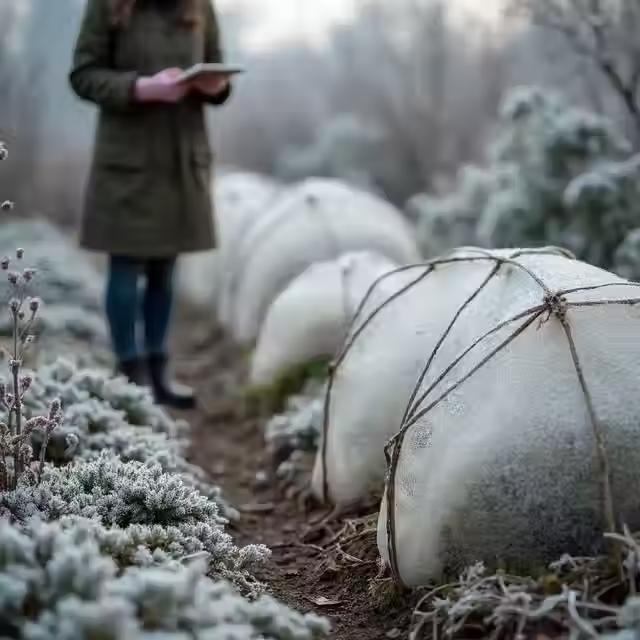
Winter Gardening: Planning and Protection
Winter is a quieter time on the allotment, but it’s not a time to abandon the plot. Smart winter preparation protects soil structure, prevents damage, and makes spring far easier. The aim isn’t constant work — it’s protection, observation, and light maintenance.
This guide explains what to do before hard frosts arrive, how to look after soil and overwintering crops, and what jobs are best saved for winter.
❄️ 1. Why Winter Preparation Matters
Good winter prep helps you:
prevent soil compaction and erosion
protect overwintering crops from damage
reduce spring workloads
keep tools and structures safe
Poor winter prep often leads to:
waterlogged beds
broken structures
lost crops
a rushed, difficult spring start
🌾 2. Protecting Soil Over Winter (Top Priority)
Avoid Working Wet Soil
Winter soil is easily damaged.
Don’t dig or fork wet ground
Avoid walking on beds
Stick to paths only
Compaction now can affect crops for years, not months.
Keep Soil Covered
Bare soil suffers in winter.
Best winter covers:
compost or manure mulch
leaf mould
green manures
cardboard topped with organic matter
Covering soil:
reduces nutrient loss
prevents erosion
feeds soil life slowly
🌱 3. Overwintering Crops: Care & Protection
Common overwintering crops include:
leeks
kale
Brussels sprouts
winter cabbages
garlic and overwintering onions
Frost & Wind Protection
Most winter crops are hardy, but protection helps in extremes.
Use:
fleece during severe cold
windbreaks on exposed plots
mulch around roots
⚠️ Avoid permanent coverings — airflow is still important.
🧹 4. Tidying Without Overdoing It
Winter tidying should be selective.
Remove:
diseased plant material
rotting crops
unstable supports
Leave:
healthy roots in soil
some plant debris for wildlife
seed heads for birds
A slightly untidy plot is often a healthier plot.
🛠️ 5. Tools, Structures & Infrastructure
Tool Care (Ideal Winter Job)
Clean soil from tools
Dry thoroughly
Oil metal parts
Sharpen blades
Well-maintained tools last longer and work better.
Structures
Secure sheds and greenhouses
Remove shading from glass
Check fixings after storms
Winter winds cause more damage than frost.
🌧️ 6. Managing Water & Drainage
Winter brings excess water rather than drought.
Clear blocked drains and ditches
Improve muddy paths with woodchip
Check water butts are secure or partially emptied
Standing water damages roots and soil structure.
🐦 7. Supporting Wildlife in Winter
Winter is when wildlife needs the allotment most.
Simple actions:
leave log or leaf piles
avoid disturbing soil unnecessarily
provide water if possible
This supports natural predators for next season.
📝 8. Planning & Light Winter Jobs
Winter is perfect for:
reviewing the past season
planning crop rotation
ordering seeds early
building beds or compost bays
These jobs are productive without stressing the soil.
🧠 Key Winter Principles
Protect soil first
Less disturbance is better
Winter is for maintenance, not heavy digging
Small jobs now prevent big jobs later
Plot Management

Summer Harvest: Maximising Your Yields
Summer is when the allotment rewards your earlier work — but it’s also when problems appear fastest. Heat, drought, rapid growth, pests, and gluts can overwhelm even experienced growers. Good summer preparation is about maintaining momentum, protecting plants, and working smarter — not harder.
This guide explains how to prepare for summer conditions, manage crops efficiently, and keep your plot productive without burnout.
☀️ 1. Why Summer Preparation Matters
Summer prep helps you:
protect crops from heat and drought
maintain soil moisture
manage rapid plant growth
reduce losses to pests and stress
keep harvesting consistent
Without preparation, summer often leads to:
constant emergency watering
bolting crops
pest explosions
exhaustion and frustration
💧 2. Watering Strategy for Summer
Water Less Often, But Better
Summer watering should be deep and targeted.
Best practice:
water early morning or evening
water soil, not leaves
soak thoroughly, then allow soil to dry slightly
Avoid:
frequent light watering
midday watering
watering paths or bare soil
Prioritise Water Use
When water is limited, prioritise:
seedlings and new plantings
fruiting crops (tomatoes, courgettes, beans)
containers and raised beds
Hardy, established crops can tolerate some stress.
🌾 3. Mulching: The Summer Essential
Mulching is the single most effective summer job.
Benefits:
reduces water loss
cools soil
suppresses weeds
improves soil health
Best summer mulches:
compost
grass clippings (thin layers)
straw
leaf mould
Apply mulch after watering for maximum benefit.
🌱 4. Managing Rapid Growth
Summer plants grow fast — unchecked growth causes problems.
Regular Jobs
tie in climbing crops
pinch out tomatoes
thin crowded plants
remove damaged growth
Doing small jobs weekly prevents major fixes later.
🥕 5. Harvesting & Succession Sowing
Harvest Little and Often
Regular harvesting:
encourages more production
prevents crops becoming woody or bitter
reduces pest attraction
Succession Sowing
To avoid gluts:
sow salads every 2–3 weeks
replace harvested crops quickly
use gaps for fast growers (radish, lettuce)
Summer is about continuous cycles, not one big harvest.
🐛 6. Pest & Disease Watch (High-Risk Period)
Summer warmth accelerates pest lifecycles.
Watch for:
aphids
slugs during wet spells
caterpillars
powdery mildew
Best prevention:
healthy soil
good airflow
early intervention
physical protection before damage spreads
🌬️ 7. Heat, Sun & Wind Protection
During heatwaves:
shade young plants temporarily
use fleece or mesh as sun protection
water soil deeply, not foliage
Wind:
dries soil quickly
damages tall crops
Windbreaks and staking are summer essentials.
🛠️ 8. Infrastructure & Plot Management
Summer is the time to:
check watering access regularly
repair supports under load
keep paths clear
manage compost inputs (greens-heavy season)
Small checks now prevent crop losses later.
🧠 9. Pacing Yourself Through Summer
Avoid burnout by:
accepting imperfect beds
prioritising key crops
harvesting before tidying
skipping non-essential jobs during heat
A productive allotment doesn’t need to look perfect.
🧠 Key Summer Principles
Mulch beats watering
Harvesting is maintenance
Prevention saves effort
Consistency matters more than intensity
Plot Management

Growing Onions and garlic
Onions and garlic are essential allotment crops. They take up relatively little space, store well, and are used in almost every kitchen. They’re also excellent beginner crops — as long as they’re grown slowly, with the right spacing and good soil.
This guide covers how to grow onions and garlic from seed, sets, and plug plants, when to plant, spacing, watering and feeding, pests and diseases, container vs ground growing, and proven ways to improve yields.
🌱 1. Ways to Grow Onions & Garlic
🌰 From Seed (Onions only)
Growing onions from seed gives the best flavour and storage potential.
Pros
Cheapest option
Huge variety choice
Excellent long-term storage
Cons
Slower to establish
Needs early sowing and patience
🧅 From Sets (Onions)
Small immature onions grown on for planting.
Pros
Fast and reliable
Ideal for beginners
Less weeding early on
Cons
Slightly more expensive
Higher risk of bolting
🌱 Plug Plants (Onions & Garlic)
Young plants supplied ready to grow.
Pros
Great for late planting
Strong, uniform plants
Cons
Higher cost
Limited variety choice
🧄 Garlic Cloves
Garlic is grown by planting individual cloves.
Always use:
certified garlic bulbs
Avoid supermarket garlic if possible — it may carry disease or be treated.
🗓️ 2. When to Plant Onions & Garlic
Onions
From seed (indoors): Jan–Feb
From seed (outdoors): Mar–Apr
From sets: Mar–Apr
Overwintering sets: Oct–Nov
Garlic
Autumn planting: Oct–Nov (best yields)
Spring planting: Feb–Mar
Autumn-planted garlic usually produces larger bulbs.
🌾 3. How to Grow Onions & Garlic in the Ground
Soil Requirements
Free-draining soil
Open, sunny position
Not freshly manured
Too much nitrogen = leafy growth and poor bulbs.
Spacing
Onions
10–15cm between plants
30cm between rows
Garlic
10–15cm between cloves
30cm between rows
Crowding leads to small bulbs.
Planting Depth
Onion sets: tip just showing above soil
Garlic: plant cloves 5–7cm deep, point up
🪴 4. Growing Onions & Garlic in Containers
Ideal for:
small plots
patios
poor or heavy soil
Container Guidelines
Minimum depth: 20–25cm
Free-draining compost
Good drainage holes
Spacing in pots:
1 onion per 10cm
1 garlic clove per 10–12cm
Water containers more regularly than ground beds.
💧 5. Watering Onions & Garlic
Watering Rules
Water during dry spells, especially early growth
Reduce watering once bulbs start swelling
Stop watering completely as foliage yellows
Too much water late on causes:
soft bulbs
poor storage
🌿 6. Feeding Onions & Garlic
Onions and garlic are light to moderate feeders.
Best Practice
Add compost before planting
Avoid high-nitrogen feeds
Optional light feed in spring if growth is weak
Strong soil structure matters more than fertiliser.
🐛 7. Common Pests & Diseases
Onion Fly
Symptoms
Wilting plants
Maggots in bulbs
Prevention
Fine mesh netting
Crop rotation
Avoid thinning seedlings in open air
White Rot (Serious Disease)
Symptoms
Yellowing leaves
White fungal growth on bulbs
Prevention only
Strict crop rotation (8+ years)
Use clean seed/sets
Remove infected plants immediately
Leek Rust (Affects onions too)
Orange pustules on leaves
More common in damp summers
Improve airflow and avoid overcrowding.
🧺 8. Harvesting & Storage
When to Harvest
When foliage turns yellow and falls over naturally
Do not force tops down
Drying (Curing)
Lift bulbs carefully
Dry in a warm, airy place for 2–3 weeks
Storage
Store dry, cool, and frost-free
Use soft or damaged bulbs first
🌾 9. Improving Yields
Start early (especially from seed)
Give plants space
Keep beds weed-free
Avoid rich, nitrogen-heavy soil
Choose the right planting season
Slow, steady growth produces larger, better-storing bulbs.
⚡ 10. Quick Growing Tips
Weeds are the biggest enemy of onions
Mulch lightly once established
Don’t overfeed
Rotate crops regularly
Growing Guide: Veg

Growing Courgettes (Or Zucchini) on an Allotment
Courgettes are one of the highest-yielding and most generous allotment crops — a single healthy plant can produce dozens of fruits over the summer. They’re ideal for beginners, grow quickly, and thrive in both the ground and large containers.
This guide covers everything you need to know: how to grow courgettes from seed or plug plants, when to plant, spacing, watering and feeding, pests and diseases, containers vs ground growing, and proven ways to boost yields.
🌱 1. Ways to Grow Courgettes
🌰 Growing Courgettes from Seed (Most Common)
The cheapest and most reliable method.
Pros
Easy to germinate
Huge variety choice
Strong plants
Cons
Need protection from frost when young
🌱 Courgette Plug Plants
Young plants bought ready-grown.
Pros
Faster start
Good for late planting or short seasons
Cons
More expensive
Limited variety choice
👉 Both methods work well — healthy plants matter more than how they start.
🗓️ 2. When to Sow & Plant Courgettes
Courgettes are tender and hate frost.
From Seed
Sow indoors: April
Sow outdoors: Late May–June (after last frost)
Plug Plants
Plant outdoors: Late May–June
Soil should be warm before planting. Cold soil causes slow growth and rot.
🌾 3. How to Grow Courgettes in the Ground
Spacing (Very Important)
Courgettes need space.
Plant spacing: 75–90cm between plants
Row spacing: 90cm
Crowded plants:
produce fewer fruits
suffer more disease
Planting Method
Dig a generous hole
Add compost or well-rotted manure
Plant at same depth as pot
Water well
Courgettes love rich, moisture-retentive soil.
🪴 4. Growing Courgettes in Containers
Courgettes grow very well in containers if size is sufficient.
Container Requirements
Minimum size: 30–40 litres
One plant per pot
Use high-quality compost
Extra care needed
Water daily in hot weather
Feed regularly
Containers dry out faster — consistency is key.
💧 5. Watering Courgettes (Critical for Success)
Courgettes are thirsty plants.
Best Practice
Water deeply at the base
Keep soil evenly moist
Mulch to reduce evaporation
Inconsistent watering leads to:
poor fruit set
bitter courgettes
flower drop
Avoid watering leaves to reduce disease.
🌿 6. Feeding Courgettes
Courgettes are heavy feeders.
Feeding Schedule
Add compost/manure at planting
Start liquid feeding once flowers appear
Feed weekly during heavy cropping
Best feeds:
general-purpose liquid feed
tomato feed once fruiting begins
🌼 7. Flowers, Pollination & Fruit Set
Courgette plants produce:
Male flowers (long thin stems)
Female flowers (small courgette behind flower)
Poor fruiting often comes from:
lack of pollinators
cold or wet weather
Tip:
Hand-pollinate by transferring pollen from male to female flower with a small brush.
🐛 8. Common Pests & Diseases
Pests
Slugs & snails: attack young plants
Aphids: cluster on soft growth
Control
Protect young plants early
Encourage predators
Use barriers rather than sprays
Diseases
Powdery Mildew (Most Common)
Symptoms
White powdery coating on leaves
Causes
Dry roots
Poor airflow
Prevention
Consistent watering
Good spacing
Remove badly affected leaves
🧺 9. Harvesting Courgettes (For Maximum Yield)
Harvest Little & Often
Pick courgettes at 10–20cm long
Harvest every 2–3 days
Leaving fruits to grow large:
reduces total yield
stresses the plant
Use a sharp knife — don’t twist stems.
🌾 10. How to Improve Courgette Yields
What really works:
generous spacing
rich soil
consistent watering
regular feeding
frequent harvesting
One neglected plant can stop producing quickly — attention pays off.
⚡ Quick Courgette Growing Tips
One or two plants is enough for most households
Mulch heavily once soil warms
Remove damaged leaves to improve airflow
Courgettes freeze well when sliced
Photo by Eugene Golovesov on Unsplash
Growing Guide: Veg

Growing Herbs: Aromatic Additions to Your Plot
Herbs are one of the most rewarding things to grow on an allotment. They’re productive, low-maintenance, great for beginners, and many will thrive even when vegetables struggle. Whether you grow them in beds, containers, or tucked between crops, herbs give reliable harvests from early spring to late autumn — and some year-round.
This guide explains which herbs to grow, where to grow them, how to care for them, and how to avoid common mistakes.
🌱 1. Why Grow Herbs on an Allotment?
Herbs are ideal because they:
need little space
tolerate irregular watering
deter some pests
can be harvested repeatedly
are expensive to buy fresh
Many herbs also attract pollinators, supporting the wider allotment ecosystem.
🌿 2. Annual vs Perennial Herbs (This Matters)
Understanding this avoids frustration later.
🌼 Annual Herbs (One Season)
These grow, flower, and die in one year.
Basil
Coriander
Dill
Chervil
➡ Best sown little and often for continuous harvests.
🌳 Perennial Herbs (Come Back Every Year)
These live for several years.
Rosemary
Thyme
Sage
Mint
Chives
Oregano
➡ Give them permanent space — they don’t like being moved.
🗺️ 3. Where to Grow Herbs
In Beds
Best for:
thyme
sage
oregano
chives
Tips
Choose free-draining soil
Avoid rich, overfed beds (too much leaf, less flavour)
In Containers (Highly Recommended)
Perfect for:
mint (essential — it spreads)
basil
parsley
tender herbs
Benefits
Easy watering control
Portable in bad weather
Prevents invasive spread
Mixed Into Vegetable Beds
Many herbs grow well alongside crops:
chives near carrots
basil near tomatoes
thyme near brassicas
This saves space and encourages beneficial insects.
🌞 4. Light, Soil & Water Requirements
Sun
Most herbs need:
6–8 hours of sunlight per day
Exceptions:
parsley
mint
(these tolerate partial shade)
Soil
Herbs prefer:
free-draining soil
moderate fertility
Too much nitrogen = lots of leaves, less flavour.
Watering
Water regularly while establishing
Once established, many herbs prefer drier soil
Containers dry faster — check more often
✂️ 5. Harvesting Herbs Properly (For Bigger Yields)
Harvesting correctly encourages more growth, not less.
General rules
Never remove more than ⅓ of the plant at once
Cut just above a leaf joint
Harvest little and often
Best time to harvest
Morning, after dew dries
Before flowering for best flavour
❄️ 6. Overwintering & Long-Term Care
Hardy perennial herbs
Rosemary, thyme, sage:
Survive winter outdoors
Benefit from light pruning after flowering
Avoid waterlogged soil
Tender herbs
Basil, coriander:
Killed by frost
Grow annually or move to a greenhouse/windowsill
Mint (Special Case)
Extremely hardy
Spreads aggressively
Always grow in containers
🐛 7. Common Herb Problems (and Simple Fixes)
Yellow leaves → overwatering or poor drainage
Weak flavour → soil too rich or shade
Leggy growth → not harvested enough
Aphids → squash, water spray, or leave (often self-resolve)
Herbs generally suffer fewer pests than vegetables.
🧠 Key Principles for Herb Growing
Poorer soil = stronger flavour
Containers solve most problems
Harvesting improves growth
Perennials need permanent space

Growing Potatoes: From Seed to Spud
Potatoes are one of the most rewarding and forgiving allotment crops. They’re ideal for beginners, produce heavy yields, help clear new ground, and store well. You can grow them from certified seed potatoes, shop-bought potatoes, or plug plants, in the ground or in containers.
This guide covers everything you need to know, from planting times to pest control and yield-boosting tips.
🌱 1. Types of Potatoes (What You Can Grow)
🥔 Seed Potatoes (Recommended)
Certified, disease-free potatoes sold specifically for planting.
Best choice because:
lower disease risk
predictable performance
wide variety selection
🛒 Old / Shop-Bought Potatoes
Potatoes from the supermarket that have sprouted.
Pros
cheap or free
Cons
may carry disease
sometimes treated to prevent sprouting
👉 Use only if already sprouting naturally and accept some risk.
🌱 Potato Plug Plants
Young potato plants grown by suppliers.
Pros
faster start
useful for late planting
Cons
more expensive
less variety choice
🗓️ 2. Potato Types & When to Plant
Potatoes are grouped by harvest time.
First Earlies
Plant: March
Harvest: June–July
Examples: Rocket, Swift
Second Earlies
Plant: March–April
Harvest: July–August
Maincrop
Plant: April
Harvest: August–October
Best for storage
👉 Plant when soil is workable and frost risk is low.
🌿 3. Chitting Potatoes (Optional but Helpful)
Chitting means allowing seed potatoes to sprout before planting.
How to chit:
Place potatoes in trays, rose-end up
Keep in a cool, light, frost-free place
Wait for short, sturdy shoots
Chitting gives earlier crops but isn’t essential.
🌾 4. How to Grow Potatoes in the Ground
Spacing
First/Second Earlies:
30cm apart
60cm between rowsMaincrop:
37cm apart
75cm between rows
Planting Depth
Dig trenches 10–15cm deep
Place potatoes with shoots facing up
Cover with soil
Earthing Up (Very Important)
As shoots grow:
pull soil up around stems
repeat as plants grow
Why it matters:
protects from frost
prevents green potatoes
increases yield
🪴 5. Growing Potatoes in Containers
Perfect for:
small plots
patios
poor or contaminated soil
Container Method
Use large containers (30–50L)
Add 10–15cm compost
Plant 1–3 potatoes
Cover as shoots grow
Tip:
More compost depth = better yield.
💧 6. Watering & Feeding Potatoes
Watering
Water regularly once flowering starts
Keep soil evenly moist
Avoid waterlogging
Inconsistent watering causes:
small tubers
scab
cracked potatoes
Feeding
Potatoes are hungry plants
Best practice:
Add compost or manure before planting
Optional: balanced feed at flowering
Avoid excess nitrogen — it causes leafy growth with fewer tubers.
🐛 7. Pests & Diseases
Common Pests
Slugs (damage tubers)
Wireworm (holes in potatoes)
Prevention
good crop rotation
remove weeds
avoid planting after grass
Potato Blight (Main Threat)
Symptoms
brown patches on leaves
rapid collapse in wet weather
Prevention
resistant varieties
good spacing
water soil, not leaves
Once blight appears, remove plants immediately.
🧺 8. Harvesting & Storage
Harvesting
Earlies: harvest when flowering finishes
Maincrop: after foliage dies back
Storage
Dry potatoes before storing
Store in cool, dark, frost-free place
Remove damaged tubers
🌾 9. Improving Potato Yields
Choose the right variety
Earth up generously
Water consistently
Improve soil organic matter
Avoid overcrowding
Potatoes thrive in loose, fertile soil.
⚡ 10. Quick Potato Growing Tips
Never eat green potatoes
Rotate crops every 3–4 years
Don’t compost blighted plants
Use potatoes to clear new ground
Growing Guide: Veg

Growing Beets (Beetroot) on an Allotment
Beetroot (often shortened to beets) is a reliable, versatile, and beginner-friendly crop. It grows quickly, takes up little space, and produces usable harvests even in less-than-perfect soil. You can grow beetroot from seed or plug plants, in the ground or containers, and harvest roots small or large depending on taste and use.
This guide covers how to grow different types of beetroot, when to plant, spacing, watering and feeding, pests and diseases, containers vs ground growing, and proven ways to improve yields.
🌱 1. Types of Beetroot You Can Grow
🔴 Round Beetroot (Most Common)
Deep red roots
Reliable and productive
Good for boiling, roasting, pickling
⚪ White & Yellow Beetroot
Milder, sweeter flavour
Don’t bleed colour
Slightly slower growing
🌀 Chioggia (Striped Beetroot)
Pink and white rings inside
Best harvested young
Attractive but less good for long storage
🌿 Leaf Beet / Baby Beet
Grown for both leaves and roots
Harvest leaves early like spinach
🌰 2. Ways to Grow Beets
From Seed (Most Common)
Beetroot seeds are actually clusters, often producing multiple seedlings.
Pros
Cheap and easy
Best root shape and storage
Wide variety choice
Cons
Need thinning
Plug Plants
Young beetroot plants grown in modules.
Pros
Faster start
Less thinning required
Useful for late sowings
Cons
More expensive
Limited varieties
👉 Both methods work well — consistent moisture matters more than starting method.
🗓️ 3. When to Sow & Plant Beetroot
From Seed
Outdoors: March–July
Succession sow: every 3–4 weeks
Plug Plants
Plant out: April–August
Beetroot grows best in cool to warm soil and tolerates light frost.
🌾 4. How to Grow Beetroot in the Ground
Soil Requirements
Free-draining soil
Stone-free for smooth roots
Not freshly manured
Too much nitrogen causes leafy growth and poor roots.
Spacing
Between plants: 10cm (thin seedlings to this)
Between rows: 30cm
Crowded plants produce small, woody roots.
Sowing Depth
Sow seeds 2–3cm deep
Water gently after sowing
Thin seedlings early — don’t delay.
🪴 5. Growing Beetroot in Containers
Beetroot is excellent for container growing.
Container Guidelines
Depth: minimum 20–25cm
Spacing: one plant per 10cm
Use multi-purpose or veg compost
Keep compost evenly moist — containers dry quickly.
💧 6. Watering Beetroot
Consistent watering is critical.
Best Practice
Keep soil evenly moist
Water during dry spells
Avoid letting soil dry out then flood
Irregular watering causes:
woody texture
cracked roots
poor flavour
🌿 7. Feeding Beetroot
Beetroot is a light feeder.
Feeding Rules
Compost before sowing is usually enough
Avoid high-nitrogen feeds
Optional light feed if growth stalls
Healthy soil matters more than fertiliser.
🐛 8. Common Pests & Diseases
Leaf Miners (Most Common)
Symptoms
White tunnels in leaves
Control
Remove affected leaves
Cover crops with mesh
Grow succession crops
Slugs & Snails
Attack seedlings
Control
Protect young plants early
Improve airflow and drainage
Bolting
Triggered by stress or cold snaps
Prevention
Sow at correct times
Keep moisture consistent
🧺 9. Harvesting Beetroot
When to Harvest
Harvest from golf-ball size onwards
Best flavour when young
Leave some to mature for storage
How to Harvest
Loosen soil gently
Twist leaves off (don’t cut)
Leaves are edible — use like spinach.
🌾 10. Improving Beetroot Yields
What really works:
Regular thinning
Consistent watering
Succession sowing
Harvesting young
Weed-free beds
Beetroot rewards steady care, not heavy feeding.
⚡ Quick Beetroot Growing Tips
Thin early and decisively
Grow little and often
Avoid fresh manure
Leaves are edible and nutritious
Growing Guide: Veg

Growing Beans on an Allotment
Beans are among the most productive, reliable, and soil-improving crops you can grow on an allotment. They’re ideal for beginners, work well in both the ground and containers, and reward good watering and harvesting with weeks (sometimes months) of crops.
This guide covers all main types of beans, how to grow them from seed or plug plants, when to plant, spacing, watering and feeding, pests and diseases, containers vs ground growing, and proven ways to boost yields.
🌱 1. Types of Beans You Can Grow
🌿 Broad Beans
Cool-season crop
Very hardy
Grown for early harvests
🌱 Dwarf French Beans
Compact, bushy plants
Ideal for containers
Heavy croppers in summer
🌿 Climbing French Beans
Taller, higher yields than dwarf types
Need supports
🌺 Runner Beans
Tall, vigorous climbers
Long harvesting season
Excellent for vertical growing
(Dry beans like borlotti or haricot are grown similarly but left to mature fully.)
🌰 2. Ways to Grow Beans
From Seed (Most Common)
Beans germinate easily and grow quickly.
Pros
Cheap and reliable
Wide choice of varieties
Strong root systems
Cons
Vulnerable to slugs when young
Plug Plants
Young bean plants grown in modules.
Pros
Faster start
Less early pest damage
Useful for late planting
Cons
More expensive
Limited availability
👉 Both methods work — protection in early stages matters most.
🗓️ 3. When to Sow & Plant Beans
Broad Beans
Sow outdoors: Oct–Nov (overwintering) or Feb–Mar
Harvest: May–June
French Beans (Dwarf & Climbing)
Sow indoors: April
Sow outdoors: May–July (after last frost)
Runner Beans
Sow indoors: April
Plant outdoors: May–June
Beans hate frost — warm soil is essential for summer types.
🌾 4. How to Grow Beans in the Ground
Soil Requirements
Free-draining soil
Open, sunny site
Compost added before planting
Beans prefer soil that is fertile but not heavily fed.
Spacing
Broad Beans
20–25cm apart
45cm between rows
Dwarf French Beans
10–15cm apart
45cm between rows
Climbing Beans (Runner & French)
20–30cm apart
Plant around supports
Crowding reduces airflow and increases disease.
Supports (Climbing Beans)
Canes in a wigwam or A-frame
Strong netting or trellis
Secure well — plants get heavy
🪴 5. Growing Beans in Containers
Beans grow very well in containers if depth and moisture are adequate.
Container Guidelines
Minimum depth: 30cm
Dwarf beans: ideal for pots
Climbing beans: need large containers + supports
Water containers frequently — they dry quickly in summer.
💧 6. Watering Beans
Consistent watering is critical, especially during:
flowering
pod formation
Best Practice
Water deeply at soil level
Avoid wetting foliage
Mulch to retain moisture
Poor watering causes:
flowers dropping
misshapen pods
reduced yields
🌿 7. Feeding Beans
Beans are light feeders and improve soil by fixing nitrogen.
Feeding Rules
Compost before planting is enough
Avoid high-nitrogen feeds
Optional liquid feed if plants look weak
Overfeeding causes leaf growth at the expense of pods.
🐛 8. Common Pests & Diseases
Blackfly (Aphids) – Broad Beans
Symptoms
Black clusters on shoot tips
Control
Pinch out tops once flowering starts
Encourage predators
Jet of water if needed
Slugs & Snails
Attack seedlings
Control
Protect early
Use barriers and good airflow
Bean Rust
Symptoms
Brown/orange spots on leaves
Prevention
Good spacing
Avoid wet foliage
Remove affected leaves
🧺 9. Harvesting Beans
Harvest Little & Often
Pick pods while young and tender
Harvest every 2–3 days
Leaving pods to mature:
signals the plant to stop producing
Use scissors or pinch gently to avoid damage.
🌾 10. Improving Bean Yields
Warm soil before planting
Consistent watering
Regular harvesting
Strong supports for climbers
Succession sowing every 3–4 weeks
Beans reward attention, not feeding.
⚡ Quick Bean Growing Tips
One short row can supply a household
Pinch broad bean tops to reduce blackfly
Mulch during hot weather
Freeze surplus pods quickly
Photo by Duy Le Duc on Unsplash
Growing Guide: Veg

Growing Tomatoes on an allotment
Tomatoes are one of the most popular and rewarding allotment crops, but they’re also one of the most misunderstood. With the right variety choice, spacing, watering, and feeding, tomatoes can produce huge harvests in the ground, containers, or under cover.
This guide covers all major tomato types, how to grow them from seed or plug plants, when to plant, spacing, watering and feeding, pests and diseases, container vs ground growing, and proven ways to improve yields.
🌱 1. Types of Tomatoes You Can Grow
Understanding tomato types is key to success.
🍒 Cherry Tomatoes
Small, sweet fruits
Very productive
Good for beginners
Examples: tumbling or cordon types
🍅 Salad Tomatoes
Medium-sized fruits
Balanced flavour
Versatile kitchen use
🍖 Beefsteak Tomatoes
Large, meaty fruits
Fewer fruits per plant
Need strong supports
🌿 Cordon (Indeterminate) Tomatoes
Grow tall (1.8–2m+)
Produce fruit along a single stem
Need staking and side-shoot removal
🌱 Bush (Determinate) Tomatoes
Compact plants
No side-shoot removal
Ideal for containers
🌰 2. Ways to Grow Tomatoes
From Seed
Best for variety choice and value.
Pros
Huge range of varieties
Cheapest option
Strong root systems
Cons
Need early sowing and warmth
Plug Plants
Young tomato plants bought ready-grown.
Pros
Faster start
Ideal for beginners or late starts
Cons
Limited variety choice
More expensive
👉 Healthy plants matter more than starting method.
🗓️ 3. When to Sow & Plant Tomatoes
From Seed
Sow indoors: Feb–March
Pot on: March–April
Plug Plants
Buy: April–May
Plant Outdoors
After last frost: Late May–June
Tomatoes are frost-tender — never rush planting.
🌾 4. How to Grow Tomatoes in the Ground
Soil Requirements
Deep, fertile soil
High organic matter
Sunny, sheltered position
Add compost or well-rotted manure before planting.
Spacing
Cordon tomatoes
45–60cm apart
Bush tomatoes
60cm apart
Crowding reduces airflow and increases disease risk.
Supports
Canes or strings for cordons
Sturdy stakes or cages for bush types
Install supports at planting time.
🪴 5. Growing Tomatoes in Containers
Tomatoes grow exceptionally well in pots.
Container Guidelines
Minimum size: 30–40 litres per plant
One plant per pot
Free-draining compost
Bush and cherry varieties are best for containers.
💧 6. Watering Tomatoes
Best Practice
Water deeply and regularly
Keep moisture consistent
Water soil, not leaves
Irregular watering causes:
split fruit
blossom end rot
poor flavour
Mulch to maintain even moisture.
🌿 7. Feeding Tomatoes
Tomatoes are heavy feeders once fruiting starts.
Feeding Schedule
Compost at planting
Start feeding when first flowers open
Feed weekly with high-potash (tomato) feed
Too much nitrogen = leafy plants, fewer fruits.
✂️ 8. Pruning & Training Tomatoes
Cordon Tomatoes
Remove side shoots weekly
Tie in main stem
Stop plants after 5–7 trusses (outdoors)
Bush Tomatoes
No pruning required
Remove only damaged leaves
🐛 9. Common Pests & Diseases
Aphids
Cluster on soft growth
Control with water spray or predators
Tomato Blight (Major Issue Outdoors)
Symptoms
Brown/black patches on leaves
Rapid plant collapse
Prevention
Good spacing
Water soil only
Choose blight-resistant varieties
Once blight appears, remove plants immediately.
Blossom End Rot
Black sunken patches on fruit
Caused by calcium uptake issues from irregular watering
🧺 10. Harvesting Tomatoes
Harvest when fruits are fully coloured
Pick regularly to encourage more fruit
Ripen green tomatoes indoors at season’s end
🌾 11. Improving Tomato Yields
Choose the right variety
Maintain consistent watering
Feed regularly once fruiting
Good airflow
Harvest often
Attention matters more than fertiliser quantity.
⚡ Quick Tomato Growing Tips
One or two plants per person is often enough
Mulch after planting
Remove lower leaves once fruit sets
Rotate crops yearly
Photo by Stefan Schwinghammer on Unsplash
Growing Guide: Fruit

Growing Salad leaves on your Allotment
Salad leaves are among the fastest, easiest, and most rewarding crops you can grow. They suit beginners, thrive in containers or the ground, and can be harvested repeatedly using cut-and-come-again methods. With succession sowing, you can pick fresh leaves from early spring through late autumn — and even overwinter some varieties.
This guide covers different salad leaf types, how to grow them from seed or plugs, when to plant, spacing, watering and feeding, pests and diseases, containers vs ground growing, and proven ways to boost yields.
🌱 1. Types of Salad Leaves You Can Grow
🥬 Lettuce (Loose-leaf & Hearting)
Fast growing
Ideal for cut-and-come-again
Includes loose-leaf, butterhead, romaine, and iceberg
🌿 Mixed Salad Leaves
Mesclun mixes (lettuce, rocket, mizuna, mustard)
Continuous harvests
Excellent for small spaces
🌶️ Rocket (Arugula)
Peppery flavour
Very fast growing
Can bolt in heat
🥗 Spinach & Leafy Spinach
Cool-season crop
Nutritious leaves
Prefers spring and autumn
🌱 Asian Greens
Mizuna, pak choi, mustard greens
Quick, productive
Best in cooler weather
🌰 2. Ways to Grow Salad Leaves
From Seed (Most Common)
Pros
Cheapest option
Huge variety choice
Ideal for succession sowing
Cons
Needs regular sowing and thinning
Plug Plants
Pros
Faster results
Less thinning
Useful for gaps and late sowings
Cons
More expensive
Limited variety choice
👉 Both work well — consistent moisture is more important than how you start.
🗓️ 3. When to Sow & Plant Salad Leaves
From Seed
Outdoors: March–September
Indoors / under cover: February–October
Overwintering varieties: August–September
Plug Plants
Plant out: April–September
Salad leaves prefer cool to mild conditions and struggle in extreme heat.
🌾 4. How to Grow Salad Leaves in the Ground
Soil Requirements
Moisture-retentive but free-draining soil
Light, fertile soil
Not freshly manured
Salads grow best in rich but gentle soil.
Spacing
Loose-leaf & cut-and-come-again
Sow thinly in rows or blocks
Thin to 5–10cm
Hearting lettuces
25–30cm apart
Crowding causes:
small leaves
disease
bolting
🪴 5. Growing Salad Leaves in Containers
Perfect for:
patios and balconies
small plots
quick access picking
Container Guidelines
Depth: 15–20cm minimum
Multi-purpose or veg compost
Sow little and often
Containers dry quickly — check moisture daily in summer.
💧 6. Watering Salad Leaves
Salad leaves are shallow-rooted and dry out quickly.
Best Practice
Water lightly but frequently
Keep soil consistently moist
Water in the morning
Dry stress causes:
bitter leaves
bolting
poor regrowth
Mulch lightly to conserve moisture.
🌿 7. Feeding Salad Leaves
Salad leaves are light feeders.
Feeding Rules
Compost before sowing is usually enough
Optional light liquid feed after first cut
Avoid high-nitrogen feeds
Too much feed = soft, disease-prone leaves.
🐛 8. Common Pests & Diseases
Slugs & Snails
Major threat to seedlings
Control
Protect young plants early
Use barriers and good airflow
Aphids
Cluster on soft growth
Control
Remove by hand or water spray
Encourage predators
Bolting (Not a Disease)
Causes
Heat
Drought
Stress
Prevention
Regular watering
Shade in heat
Harvest young
✂️ 9. Harvesting Salad Leaves (For Best Yields)
Cut-and-Come-Again
Cut leaves 2–3cm above soil
Harvest every 1–2 weeks
Plants regrow several times
Hearting Lettuces
Harvest whole plant when ready
Regular harvesting:
improves flavour
delays bolting
increases total yield
🌾 10. Improving Salad Leaf Yields
What really works:
Succession sowing every 2–3 weeks
Shade in hot weather
Consistent watering
Harvesting little and often
Salads reward attention, not feeding.
⚡ Quick Salad Leaf Growing Tips
Grow small amounts often
Mix varieties to spread risk
Use shade netting in heatwaves
Sow bolt-resistant varieties in summer
Photo by Chandan Chaurasia on Unsplash
Growing Guide: Veg

Growing Carrots on an Allotment
Carrots are a classic allotment crop — nutritious, versatile, and excellent value when home-grown. They can be a little fussy at the start, but once you understand soil preparation and moisture control, carrots are reliable in both beds and containers. You can grow them from seed (most common) or plug plants for easier establishment.
This guide covers how to grow carrots successfully, when to plant, spacing, watering and feeding, pests and diseases, container vs ground growing, and proven ways to improve yields.
🌱 1. Types of Carrots You Can Grow
🥕 Early / Nantes-type
Short to medium roots
Sweet and tender
Good for heavier soils
🥕 Maincrop
Longer roots
Best for storage
Need deeper, stone-free soil
🥕 Short & Stump Varieties
Ideal for containers
Reliable in poor soils
🌈 Coloured Carrots
Purple, yellow, white
Slightly slower growing
Same growing method as orange carrots
🌰 2. Ways to Grow Carrots
From Seed (Most Common)
Pros
Best root shape
Cheapest option
Wide variety choice
Cons
Slow germination
Needs careful thinning
Plug Plants
Young carrot plants grown in modules.
Pros
Faster, more even establishment
Less seed waste
Useful where carrot fly is a problem
Cons
More expensive
Limited varieties
👉 Both methods work — soil preparation and watering matter most.
🗓️ 3. When to Sow & Plant Carrots
From Seed
Outdoors: March–July
Early sowings: Under fleece or cloches (Feb–Mar)
Succession sow: Every 3–4 weeks
Plug Plants
Plant out: April–August
Carrots prefer cool to warm soil and tolerate light frost.
🌾 4. How to Grow Carrots in the Ground
Soil Requirements (Critical)
Stone-free
Loose and fine-textured
Not freshly manured
Fresh manure causes forked or split roots.
Spacing
Thin to: 5–7cm between plants
Rows: 25–30cm apart
Thin early — crowded carrots stay small and crooked.
Sowing Depth
Sow seeds 1cm deep
Keep soil moist until germination (can take 2–3 weeks)
🪴 5. Growing Carrots in Containers
Carrots grow extremely well in containers.
Container Guidelines
Depth:
Short varieties: 20–25cm
Long varieties: 30–40cmFree-draining compost
Sow thinly and evenly
Containers are ideal for carrot fly avoidance.
💧 6. Watering Carrots
Even moisture is key.
Best Practice
Water regularly during germination
Keep soil evenly moist during root development
Avoid letting soil dry out completely
Irregular watering causes:
split roots
poor flavour
woody texture
🌿 7. Feeding Carrots
Carrots are light feeders.
Feeding Rules
Compost added before sowing is enough
Avoid nitrogen-rich fertilisers
Optional light feed if growth is weak
Overfeeding = leafy tops, small roots.
🐛 8. Common Pests & Diseases
Carrot Fly (Main Problem)
Symptoms
Red/purple leaves
Tunnels in roots
Prevention
Grow under fine mesh
Avoid thinning during the day
Grow in containers
Sow resistant varieties
Slugs
Damage young seedlings
Control
Good drainage
Protect seedlings early
Forked Roots
Caused by stones, manure, or compacted soil
Improve soil preparation rather than feeding
🧺 9. Harvesting Carrots
When to Harvest
Harvest young for sweetness
Maincrop carrots lifted from late summer to autumn
How to Harvest
Loosen soil gently with a fork
Pull carefully to avoid snapping
Carrots taste best fresh from the ground.
🌾 10. Improving Carrot Yields
Prepare soil thoroughly
Sow thinly to reduce thinning
Keep moisture consistent
Use containers or mesh to avoid carrot fly
Succession sow for steady harvests
Carrots reward patience, not feeding.
⚡ Quick Carrot Growing Tips
Never use fresh manure
Don’t rush thinning
Grow short varieties in difficult soil
Water during dry spells for sweetness
🧠 Key Carrot Principles
Soil quality matters more than fertiliser
Even moisture = sweet roots
Thinning is essential
Containers reduce pest pressure
Photo by Jonathan Kemper on Unsplash
Growing Guide: Veg

Growing Cucumbers on an Allotment
Cucumbers are fast-growing, high-yielding plants that thrive in warm conditions. They’re perfect for allotments, greenhouses, polytunnels, and even large containers. With the right watering and feeding routine, a few plants can provide a steady harvest all summer.
This guide explains how to grow different types of cucumbers, from seed or plug plants, when and how to plant, spacing, watering and feeding, common pests and diseases, container vs ground growing, and proven ways to improve yields.
🌱 1. Types of Cucumbers You Can Grow
🥒 Outdoor (Ridge) Cucumbers
Shorter, ridged fruits
Tougher skin
Ideal for outdoor growing
Good disease resistance
🥒 Indoor / Greenhouse Cucumbers
Long, smooth fruits
Thin skin, sweeter flavour
Need shelter and warmth
🥒 Snack / Mini Cucumbers
Small, prolific fruits
Excellent for containers
Harvest young and often
🌰 2. Ways to Grow Cucumbers
From Seed (Most Common)
Pros
Cheap and reliable
Wide choice of varieties
Strong plants
Cons
Need warmth to germinate
Plug Plants
Young cucumber plants supplied ready-grown.
Pros
Faster start
Ideal for late planting
Cons
More expensive
Limited variety choice
👉 Both methods work well — warmth, water, and feeding matter more than starting method.
🗓️ 3. When to Sow & Plant Cucumbers
From Seed
Sow indoors: April
Sow outdoors: Late May–June (after last frost)
Plug Plants
Plant out: Late May–June
Cucumbers are frost-tender and need warm soil.
🌾 4. How to Grow Cucumbers in the Ground
Soil Requirements
Rich, moisture-retentive soil
Free-draining
Sheltered, sunny position
Add plenty of compost or well-rotted manure before planting.
Spacing
Outdoor ridge cucumbers:
60–90cm between plantsClimbing cucumbers:
45–60cm apart
Good spacing improves airflow and reduces disease.
Supports
Climbing cucumbers benefit from:
trellis
netting
strong canes
Supports keep fruit clean and improve yields.
🪴 5. Growing Cucumbers in Containers
Cucumbers grow very well in containers with enough space.
Container Guidelines
Minimum size: 30–40 litres per plant
One plant per pot
Use rich, free-draining compost
Container plants need very regular watering and feeding.
💧 6. Watering Cucumbers (Critical)
Cucumbers are extremely thirsty plants.
Best Practice
Water little and often
Keep soil consistently moist
Water at the base, not leaves
Irregular watering causes:
bitter fruit
curved cucumbers
flower drop
Mulch heavily to retain moisture.
🌿 7. Feeding Cucumbers
Cucumbers are heavy feeders.
Feeding Schedule
Compost/manure at planting
Start feeding once flowers appear
Feed weekly with tomato or general liquid feed
Lack of feeding = poor yields and pale leaves.
✂️ 8. Pruning & Training Cucumbers
Outdoor Cucumbers
Pinch out growing tip after 5–7 leaves
Encourages side shoots and fruiting
Indoor Cucumbers
Remove side shoots up to a certain height
Follow variety instructions
Training improves airflow and fruit quality.
🐛 9. Common Pests & Diseases
Aphids
Cluster on young growth
Control
Water spray
Encourage ladybirds
Powdery Mildew (Most Common)
Symptoms
White powdery coating on leaves
Causes
Dry roots
Poor airflow
Prevention
Consistent watering
Good spacing
Remove badly affected leaves
Cucumber Mosaic Virus
Mottled, distorted leaves
Spread by aphids
Remove affected plants immediately.
🧺 10. Harvesting Cucumbers
Harvest regularly while fruits are young
Pick every 2–3 days in peak season
Use a sharp knife or scissors
Leaving fruit too long reduces further production.
🌾 11. Improving Cucumber Yields
Warm soil before planting
Consistent watering
Weekly feeding
Regular harvesting
Vertical growing where possible
Cucumbers reward attention and consistency.
⚡ Quick Cucumber Growing Tips
Never let plants dry out
Grow upwards to save space
Mulch heavily in summer
One or two plants often supply a household
Photo by Harshal S. Hirve on Unsplash
Growing Guide: Veg

Growing Leeks on an Allotment
Leeks are a long-season, low-maintenance crop that earn their space on the allotment. They’re hardy, stand in the ground through winter, and provide fresh harvests when little else is available. While they take time to mature, leeks are forgiving and ideal for growers who prefer steady progress rather than constant attention.
This guide covers how to grow leeks from seed and plug plants, when to plant, spacing, watering and feeding, pests and diseases, container vs ground growing, and proven ways to improve yields.
🌱 1. Ways to Grow Leeks
🌰 Growing Leeks from Seed (Most Common)
The traditional and most economical method.
Pros
Cheapest option
Best variety choice
Strong, adaptable plants
Cons
Long growing season
Need transplanting
🌱 Leek Plug Plants
Young leek plants supplied in modules.
Pros
Faster start
Less early care
Ideal for beginners or late sowing
Cons
More expensive
Limited varieties
👉 Both methods work well — spacing, watering, and soil quality matter more than how you start.
🗓️ 2. When to Sow & Plant Leeks
From Seed
Sow indoors: Jan–Feb
Sow outdoors: Mar–Apr
Transplant: May–July
Plug Plants
Plant out: May–July
Leeks are hardy once established and tolerate cold well.
🌾 3. How to Grow Leeks in the Ground
Soil Requirements
Moisture-retentive but free-draining soil
High organic matter
Open, sunny position
Leeks are heavy feeders and benefit from compost-rich soil.
Spacing
Between plants: 15–20cm
Between rows: 30cm
Wider spacing produces thicker leeks.
Planting Method (Traditional Leek Planting)
Make holes 15–20cm deep using a dibber
Drop one plant into each hole
Water well and allow soil to wash in naturally
Do not fill holes with soil — this helps blanch the stems.
🪴 4. Growing Leeks in Containers
Leeks grow well in containers if depth is sufficient.
Container Guidelines
Depth: at least 30cm
Spacing: 3–5 leeks per large pot
Rich, moisture-retentive compost
Container leeks need more frequent watering and feeding.
💧 5. Watering Leeks
Leeks have shallow roots and need consistent moisture.
Best Practice
Water regularly during dry spells
Focus on soil, not leaves
Mulch to retain moisture
Drought stress causes:
thin stems
slow growth
🌿 6. Feeding Leeks
Leeks are heavy feeders compared to onions.
Feeding Schedule
Add compost or manure before planting
Apply liquid feed every 2–3 weeks in summer
Avoid excess nitrogen late in the season
Healthy soil = thick, tender leeks.
🐛 7. Common Pests & Diseases
Leek Moth
Symptoms
Holes and damage inside leaves
Control
Fine mesh netting
Remove affected leaves
Allium Leaf Miner
Lines or tunnels in leaves
Increasingly common
Prevention
Mesh covers
Avoid planting during peak activity
Leek Rust
Symptoms
Orange pustules on leaves
Control
Good spacing
Remove badly affected leaves
Improve airflow
🧺 8. Harvesting Leeks
When to Harvest
Harvest from late summer through winter
Leeks can stay in the ground until needed
How to Harvest
Loosen soil gently
Lift carefully to avoid snapping
Leeks improve in flavour after light frost.
🌾 9. Improving Leek Yields
Start early from seed
Feed regularly in summer
Space plants generously
Keep soil moist
Weed thoroughly
Leeks reward time and consistency, not rushing.
⚡ Quick Leek Growing Tips
Don’t overfill planting holes
Wider spacing = thicker leeks
Mulch in summer to reduce watering
Harvest as needed — no rush
🧠 Key Leek Principles
Long season, steady care
Moist soil = tender stems
Feeding improves size
Spacing affects thickness
Growing Guide: Veg

Growing Kale on an Allotment
Kale is one of the hardiest and most reliable leafy crops you can grow. It thrives in cooler weather, stands through winter, and provides harvests when many other vegetables are finished. Kale is ideal for beginners and experienced growers alike, performing well in the ground or large containers.
This guide explains how to grow different types of kale, from seed or plug plants, when to plant, spacing, watering and feeding, common pests and diseases, container vs ground growing, and proven ways to improve yields.
🌱 1. Types of Kale You Can Grow
🥬 Curly Kale
Tough, crinkled leaves
Very cold-hardy
Excellent winter crop
🌿 Cavolo Nero (Black Kale / Tuscan Kale)
Dark, strap-like leaves
Sweeter flavour after frost
Popular for cooking
🌱 Red & Russian Kale
Tender, flatter leaves
Mild flavour
Fast-growing and attractive
🌿 Baby Leaf Kale
Harvested young
Ideal for salads and quick crops
Grows well in containers
🌰 2. Ways to Grow Kale
From Seed (Most Common)
Pros
Cheapest option
Wide variety choice
Strong, adaptable plants
Cons
Needs protection from pests when young
Plug Plants
Young kale plants grown in modules.
Pros
Faster establishment
Less seedling loss
Good for late planting
Cons
More expensive
Limited varieties
👉 Both methods work well — spacing, pest protection, and steady watering matter most.
🗓️ 3. When to Sow & Plant Kale
From Seed
Sow indoors: March–April
Sow outdoors: April–June
Plug Plants
Plant out: May–July
Kale grows best in cool to mild conditions and tolerates frost extremely well.
🌾 4. How to Grow Kale in the Ground
Soil Requirements
Moisture-retentive but free-draining soil
Plenty of organic matter
Sunny or lightly shaded site
Kale prefers firm soil — avoid freshly dug, loose beds.
Spacing
Between plants: 45–60cm
Between rows: 60cm
Crowding causes:
smaller leaves
more disease
increased pest damage
Planting Method
Plant seedlings firmly
Water well after planting
Add a light mulch once established
Firm planting helps prevent wind rock.
🪴 5. Growing Kale in Containers
Kale grows very well in containers with enough depth.
Container Guidelines
Minimum depth: 30cm
Spacing: 1 plant per 20–25cm
Use rich, moisture-retentive compost
Containers dry faster — water regularly.
💧 6. Watering Kale
Kale needs consistent moisture, especially when young.
Best Practice
Water during dry spells
Keep soil evenly moist
Mulch to reduce evaporation
Drought stress causes:
tough leaves
slow growth
bitter flavour
🌿 7. Feeding Kale
Kale is a moderate to heavy feeder.
Feeding Schedule
Add compost before planting
Light liquid feed every 2–3 weeks in summer
Avoid excessive nitrogen late in the season
Healthy soil = tender, productive plants.
🐛 8. Common Pests & Diseases
Caterpillars (Major Issue)
Symptoms
Holes in leaves
Visible caterpillars
Control
Fine mesh netting
Hand removal
Encourage birds
Aphids
Clusters on soft growth
Control
Water spray
Encourage predators
Clubroot
Swollen roots
Poor growth
Prevention
Crop rotation
Improve drainage
Lime acidic soils
Slugs
Damage young plants
Control
Protect seedlings early
Improve airflow
🧺 9. Harvesting Kale (For Continuous Crops)
How to Harvest
Pick lower leaves first
Leave central growing point intact
Harvest regularly
This encourages plants to keep producing for months.
Best Time to Harvest
After frost for sweeter flavour
Kale improves in taste during colder weather
🌾 10. Improving Kale Yields
Space plants generously
Use mesh protection early
Water consistently
Harvest regularly
Feed lightly during growth
Kale rewards steady care, not intensive feeding.
⚡ Quick Kale Growing Tips
Frost improves flavour
Firm soil prevents wind damage
Mesh is the best pest control
Kale stands through winter without protection
🧠 Key Kale Principles
Cool weather improves flavour
Spacing and firmness matter
Mesh prevents most pest problems
Harvesting encourages regrowth
Photo by Vital Sinkevich on Unsplash
Growing Guide: Veg

Growing Parsnips on an Allotment
Parsnips are a slow-growing but very rewarding root crop, prized for their sweet flavour after frost. They need patience and good soil preparation, but once established they’re low maintenance and ideal for overwinter harvests. Parsnips are traditionally grown from seed, though plug plants can help with tricky germination.
This guide explains how to grow parsnips successfully, when to plant, spacing, watering and feeding, pests and diseases, container vs ground growing, and proven ways to improve yields.
🌱 1. Types of Parsnips You Can Grow
🥕 Long-rooted Parsnips
Traditional shape
Best flavour and storage
Need deep, stone-free soil
🥕 Short & Stump Varieties
More reliable in heavier soil
Ideal for containers and raised beds
🥕 Exhibition / Giant Types
Grown for size rather than flavour
Require excellent soil and space
🌰 2. Ways to Grow Parsnips
From Seed (Most Common)
Pros
Best root shape
Cheapest option
Widely available varieties
Cons
Slow and unreliable germination
Fresh seed essential
Plug Plants
Young parsnips grown in deep modules.
Pros
More reliable establishment
Useful where germination fails
Faster early growth
Cons
More expensive
Limited availability
👉 Fresh seed, soil preparation, and moisture control matter more than starting method.
🗓️ 3. When to Sow & Plant Parsnips
From Seed
Outdoors: February–April
Best time: March (soil warming but still moist)
Plug Plants
Plant out: March–May
Parsnips need a long growing season — sow as early as conditions allow.
🌾 4. How to Grow Parsnips in the Ground
Soil Requirements (Critical)
Deep, stone-free soil
Light and free-draining
Not freshly manured
Fresh manure causes forked and misshapen roots.
Spacing
Thin to: 15–20cm between plants
Rows: 30–45cm apart
Crowded parsnips stay thin and short.
Sowing Depth
Sow seeds 1–2cm deep
Water gently and keep moist
Germination can take 3–4 weeks
Many growers mark rows with fast-germinating radish seeds.
🪴 5. Growing Parsnips in Containers
Parsnips grow well in deep containers.
Container Guidelines
Depth: 30–45cm minimum
Use stone-free compost
Choose short varieties
Containers are excellent for poor soil or pest control.
💧 6. Watering Parsnips
Parsnips need even moisture, especially early on.
Best Practice
Keep seedbed moist until germination
Water during long dry spells
Avoid waterlogging
Irregular watering causes:
woody roots
slow growth
🌿 7. Feeding Parsnips
Parsnips are light feeders.
Feeding Rules
Compost before sowing is enough
Avoid nitrogen-rich fertilisers
Optional light feed if growth stalls
Too much feed = leafy tops, poor roots.
🐛 8. Common Pests & Diseases
Carrot Fly
Symptoms
Red or purple leaves
Rusty tunnels in roots
Prevention
Fine mesh barriers
Avoid thinning during the day
Grow in containers
Parsnip Canker
Symptoms
Brown sunken patches on roots
Prevention
Avoid waterlogging
Practice crop rotation
Harvest carefully
Slugs
Damage young seedlings
Protect seedlings early.
🧺 9. Harvesting Parsnips
When to Harvest
From late autumn onwards
Best flavour after frost
Parsnips can remain in the ground throughout winter.
How to Harvest
Loosen soil gently
Lift carefully to avoid snapping
Harvest as needed — roots store best in the ground.
🌾 10. Improving Parsnip Yields
Use fresh seed every year
Prepare soil thoroughly
Sow early
Keep moisture consistent
Thin properly
Parsnips reward patience, not feeding.
⚡ Quick Parsnip Growing Tips
Never use fresh manure
Don’t rush germination — be patient
Frost improves flavour
Use deep containers if soil is poor
🧠 Key Parsnip Principles
Soil depth matters most
Fresh seed is essential
Even moisture improves quality
Frost improves flavour
Growing Guide: Veg

Growing Peppers on an Allotment
Peppers — including sweet/bell peppers and chillies — thrive in warm, sunny conditions and reward steady care with colourful, flavour-packed harvests. They’re ideal for containers, greenhouses, polytunnels, and sheltered outdoor spots. With consistent warmth, watering, and feeding, a few plants can crop for months.
This guide covers how to grow peppers from seed or plug plants, when to plant, spacing, watering and feeding, pests and diseases, container vs ground growing, and proven ways to improve yields.
🌱 1. Types of Peppers You Can Grow
🫑 Sweet / Bell Peppers
Thick-walled, mild flavour
Green fruits ripen to red/yellow/orange
Best under cover in cooler climates
🌶️ Chillies
Range from mild to very hot
Generally more compact than sweet peppers
Often easier to grow and very productive
(Growing methods are the same; heat and feeding needs are similar.)
🌰 2. Ways to Grow Peppers
From Seed (Most Common)
Pros
Huge variety choice
Cheapest option
Strong plants when started early
Cons
Need warmth and patience early on
Plug Plants
Young pepper plants supplied ready-grown.
Pros
Faster start
Ideal for beginners or late planting
Cons
Limited varieties
More expensive
👉 Success depends more on warmth, light, and consistency than the starting method.
🗓️ 3. When to Sow & Plant Peppers
From Seed
Sow indoors (warm): Jan–Feb (best), up to March
Pot on: Feb–April
Plug Plants
Buy: April–May
Planting Out
Greenhouse/polytunnel: April–May
Outdoors (sheltered): Late May–June (after last frost)
Peppers are frost-tender and sulk in cold soil.
🌾 4. How to Grow Peppers in the Ground
Site & Soil
Warm, sunny, sheltered position
Fertile, free-draining soil
Plenty of compost before planting
Spacing
Sweet peppers: 40–50cm apart
Chillies: 35–45cm apart
Good spacing improves airflow and fruit set.
Supports
Use short canes or stakes once plants carry fruit
Prevents snapping under weight
🪴 5. Growing Peppers in Containers
Excellent for peppers and chillies.
Container Guidelines
Minimum size: 10–15L (chillies), 15–20L (sweet peppers)
One plant per pot
Free-draining compost
Containers warm up faster — great for early growth — but dry out quicker.
💧 6. Watering Peppers
Peppers like even moisture, not extremes.
Best Practice
Water regularly at the base
Let the surface dry slightly between waterings
Mulch to stabilise moisture
Irregular watering causes:
flower drop
small or misshapen fruits
blossom end rot (rare but possible)
🌿 7. Feeding Peppers
Peppers are moderate to heavy feeders once fruiting.
Feeding Schedule
Compost at planting
Start feeding when flowers open
Feed weekly with tomato or balanced liquid feed
Too much nitrogen = leafy plants, fewer fruits.
✂️ 8. Pruning & Training
Pinch out the growing tip at ~20–30cm to encourage branching
Remove crowded inner shoots for airflow
Support branches carrying heavy fruit
Chillies often benefit most from light pinching.
🐛 9. Common Pests & Diseases
Aphids
Cluster on soft growth
Control: water spray, encourage predators
Red Spider Mite (Under Cover)
Speckled leaves, fine webbing
Prevention: increase humidity, mist paths, good airflow
Blossom End Rot
Dark patch on fruit base
Cause: irregular watering affecting calcium uptake
Fix: consistent watering
🧺 10. Harvesting Peppers
Pick green for earlier harvests
Leave longer to ripen for sweetness and colour
Harvest regularly to encourage more fruit
Use scissors or a sharp knife to avoid plant damage.
🌾 11. Improving Pepper Yields
Start early with warmth
Keep temperatures steady
Water and feed consistently
Harvest often
Grow under cover where possible
Peppers reward steady, stress-free growing.
⚡ Quick Pepper Growing Tips
Warmth matters more than feeding
Fewer plants, better care = higher yields
Coloured peppers need time — be patient
Chillies freeze and dry well
🧠 Key Pepper Principles
Warmth is essential
Consistency beats intensity
Feed once flowering starts
Containers give excellent control
Photo by Gabor Barbely on Unsplash
Growing Guide: Veg

Growing Broccoli on an Allotment
Broccoli is a nutritious, productive brassica that rewards steady care with generous harvests. While it has a reputation for being tricky, most problems come down to spacing, feeding, and pest protection. Get those right and broccoli becomes a dependable crop in both ground beds and large containers.
This guide covers how to grow broccoli from seed or plug plants, when to plant, spacing, watering and feeding, pests and diseases, container vs ground growing, and proven ways to improve yields.
🌱 1. Types of Broccoli You Can Grow
🥦 Calabrese (Green Broccoli)
Large central head
Produces side shoots after cutting
Fast growing (summer–autumn harvest)
🥦 Purple Sprouting Broccoli
Multiple small shoots
Overwinters and crops in late winter–spring
Very hardy, slower growing
(Growing methods are similar, but timings differ.)
🌰 2. Ways to Grow Broccoli
From Seed
Pros
Cheapest option
Wide variety choice
Strong root systems
Cons
Needs protection when young
Plug Plants
Young broccoli plants grown in modules.
Pros
Faster establishment
Less early pest damage
Ideal for beginners
Cons
More expensive
Limited varieties
👉 Both methods work well — soil fertility and pest protection matter more than starting method.
🗓️ 3. When to Sow & Plant Broccoli
Calabrese
Sow indoors: Feb–April
Sow outdoors: April–May
Plant out: April–June
Harvest: June–October
Purple Sprouting Broccoli
Sow: March–April
Plant out: May–June
Harvest: Feb–April (following year)
Broccoli prefers cool, steady growing conditions.
🌾 4. How to Grow Broccoli in the Ground
Soil & Position
Firm, fertile soil
Sunny, open site
Plenty of organic matter added before planting
Brassicas grow best in soil that has been manured the previous season, not freshly fed.
Spacing (Very Important)
Between plants: 45–60cm
Between rows: 60cm
Crowded broccoli produces:
small heads
weak plants
more pest problems
Planting Tips
Plant firmly (brassicas like firm soil)
Water in well
Add a collar around stems to deter pests
🪴 5. Growing Broccoli in Containers
Broccoli can be grown in containers with enough space.
Container Guidelines
Minimum size: 30–40 litres per plant
One plant per pot
Rich, moisture-retentive compost
Containers need more frequent watering and feeding.
💧 6. Watering Broccoli
Consistent moisture is key.
Best Practice
Water deeply and regularly
Avoid letting soil dry out
Mulch to retain moisture
Dry stress causes:
buttoning (tiny heads)
bitter flavour
premature bolting
🌿 7. Feeding Broccoli
Broccoli is a heavy feeder.
Feeding Schedule
Compost or manure before planting
Start liquid feeding once established
Feed every 2–3 weeks with a balanced feed
Lack of nutrients = small heads and yellowing leaves.
🐛 8. Common Pests & Diseases
Cabbage White Caterpillars
Symptoms
Holes in leaves
Green caterpillars present
Control
Fine mesh netting
Hand removal
Encourage birds
Aphids
Cluster on new growth
Cause distortion
Wash off with water or remove by hand.
Clubroot (Soil Disease)
Symptoms
Wilting plants
Swollen, distorted roots
Prevention only
Long crop rotation
Improve drainage
Lime acidic soils
✂️ 9. Harvesting Broccoli
Calabrese
Cut main head while tight
Side shoots will follow
Purple Sprouting
Harvest spears regularly once cropping begins
Harvesting promptly:
improves quality
extends cropping period
🌾 10. Improving Broccoli Yields
Space plants generously
Keep soil consistently moist
Feed regularly
Protect from pests early
Harvest on time
Broccoli rewards steady, stress-free growing.
⚡ Quick Broccoli Growing Tips
Firm soil = stronger plants
Net plants from day one
Don’t rush planting in hot weather
Side shoots extend harvests
🧠 Key Broccoli Principles
Space and firmness matter
Moisture prevents buttoning
Feeding improves head size
Netting prevents most pest issues
Growing Guide: Veg

Growing Spinach on an Allotment
Spinach is a fast-growing, nutrient-rich leafy green that thrives in cool conditions. It’s ideal for beginners, works brilliantly in beds and containers, and can be harvested repeatedly using cut-and-come-again methods. With the right timing and moisture control, you can harvest spinach from early spring through late autumn — and overwinter hardy varieties for spring crops.
This guide covers how to grow spinach from seed or plug plants, when to plant, spacing, watering and feeding, pests and diseases, container vs ground growing, and proven ways to improve yields.
🌱 1. Types of Spinach You Can Grow
🥬 True Spinach (Spinacia oleracea)
Smooth or savoy (crinkled) leaves
Best in cool weather
Can bolt in heat
🌿 Perpetual / Leaf Beet (Spinach Beet)
Technically a beet, grown like spinach
More heat tolerant
Harvest leaves for months
(Growing methods are similar, but true spinach prefers cooler conditions.)
🌰 2. Ways to Grow Spinach
From Seed (Most Common)
Pros
Cheapest option
Easy and quick to germinate
Ideal for succession sowing
Cons
Can bolt if stressed
Plug Plants
Young spinach plants grown in modules.
Pros
Faster establishment
Less thinning required
Useful for late or tricky sowings
Cons
More expensive
Limited variety choice
👉 Both methods work well — timing and consistent moisture matter most.
🗓️ 3. When to Sow & Plant Spinach
From Seed
Spring sowing: March–May
Autumn sowing: August–September (overwintering)
Under cover: February–October (variety dependent)
Plug Plants
Plant out: April–May and September
Spinach prefers cool, steady temperatures.
🌾 4. How to Grow Spinach in the Ground
Soil & Position
Moisture-retentive but free-draining soil
Fertile, light soil
Partial shade in summer is ideal
Avoid freshly manured soil — it encourages leaf at the expense of flavour.
Spacing
Between plants: 10–15cm
Between rows: 30cm
Crowding leads to:
small leaves
disease
bolting
Sowing Depth
Sow seeds 2cm deep
Keep soil moist until germination (7–14 days)
🪴 5. Growing Spinach in Containers
Spinach is excellent for container growing.
Container Guidelines
Depth: 15–20cm minimum
Use multi-purpose or veg compost
Sow thinly and evenly
Containers dry out quickly — check daily in warm weather.
💧 6. Watering Spinach (Critical)
Spinach is shallow-rooted and hates drying out.
Best Practice
Water little and often
Keep soil consistently moist
Water in the morning
Dry stress causes:
bitter leaves
bolting
poor regrowth
Mulch lightly to retain moisture.
🌿 7. Feeding Spinach
Spinach is a light to moderate feeder.
Feeding Rules
Compost before sowing is usually enough
Optional light liquid feed after first cut
Avoid overfeeding
Too much nitrogen = soft, short-lived leaves.
🐛 8. Common Pests & Diseases
Slugs & Snails
Major threat to seedlings
Control
Protect young plants early
Improve airflow and drainage
Leaf Miners
Symptoms
White tunnels in leaves
Control
Remove affected leaves
Use fine mesh covers
Downy Mildew
Symptoms
Yellow patches, grey mould underside
Prevention
Good spacing
Avoid overhead watering
Remove affected leaves
✂️ 9. Harvesting Spinach (For Best Yields)
Cut-and-Come-Again
Harvest outer leaves first
Leave the centre growing point
Pick every 7–10 days
Regular harvesting:
improves flavour
delays bolting
increases total yield
🌾 10. Improving Spinach Yields
Sow little and often
Grow in partial shade during summer
Keep soil moist
Harvest regularly
Choose bolt-resistant varieties
Spinach rewards steady, gentle care.
⚡ Quick Spinach Growing Tips
Autumn sowings overwinter well
Shade prevents summer bolting
Leaves are best young and tender
Grow perpetual spinach for heat tolerance
🧠 Key Spinach Principles
Cool conditions are essential
Moist soil = tender leaves
Regular harvesting boosts yield
Succession sowing prevents gaps
Photo by Elianna Friedman on Unsplash
Growing Guide: Veg

Growing Peas on an Allotment
Peas are a classic, rewarding allotment crop. They’re easy to grow, improve soil health by fixing nitrogen, and taste vastly better fresh than shop-bought. With the right timing, supports, and watering, peas crop reliably in beds or containers from late spring into summer.
This guide covers how to grow peas from seed or plug plants, when to plant, spacing, watering and feeding, pests and diseases, container vs ground growing, and proven ways to improve yields.
🌱 1. Types of Peas You Can Grow
🌿 Garden (Shelling) Peas
Sweet peas shelled from pods
Classic allotment pea
Good for freezing
🌿 Mange Tout
Flat pods eaten whole
Harvested young
Very quick cropping
🌿 Sugar Snap Peas
Plump, crunchy pods
Eaten whole
Excellent flavour and yields
🌿 Early, Maincrop & Late Varieties
Early: smaller plants, earlier harvest
Maincrop: taller, heavier yields
Late: extend the season
🌰 2. Ways to Grow Peas
From Seed (Most Common)
Pros
Cheap and reliable
Wide choice of varieties
Strong root systems
Cons
Seeds can be eaten by mice
Plug Plants
Young pea plants grown in modules.
Pros
Faster start
Less seed loss to pests
Useful for early or late sowings
Cons
More expensive
Limited availability
👉 Both methods work well — timing and protection at the start matter most.
🗓️ 3. When to Sow & Plant Peas
From Seed
Under cover: Feb–March
Outdoors: March–June
Succession sow: Every 2–3 weeks until early summer
Plug Plants
Plant out: March–June
Peas prefer cool conditions and tolerate light frost once established.
🌾 4. How to Grow Peas in the Ground
Soil & Position
Free-draining soil
Open, sunny site
Compost added before sowing
Avoid freshly manured soil — it causes leafy growth and fewer pods.
Spacing
Between plants: 5–8cm
Between rows: 30–45cm (depending on variety height)
Crowding increases mildew and reduces airflow.
Supports (Essential)
Peas climb using tendrils and need support:
Netting
Twiggy sticks
Canes and string
Install supports at sowing time.
🪴 5. Growing Peas in Containers
Peas grow well in containers, especially compact varieties.
Container Guidelines
Depth: 25–30cm minimum
Use multi-purpose or veg compost
Provide netting or small canes
Containers dry out faster — water more often in warm weather.
💧 6. Watering Peas
Peas need consistent moisture, especially when flowering.
Best Practice
Water regularly in dry spells
Focus on flowering and pod formation stages
Mulch to conserve moisture
Drought causes:
flowers dropping
poor pod filling
tough peas
🌿 7. Feeding Peas
Peas are light feeders.
Feeding Rules
Compost before sowing is usually enough
Avoid high-nitrogen fertilisers
Optional light feed if growth is weak
Overfeeding = leaf growth instead of pods.
🐛 8. Common Pests & Diseases
Birds & Mice
Eat seeds and young shoots
Control
Cover with mesh or fleece
Start seeds in modules
Pea Moth
Symptoms
Maggots inside pods
Prevention
Early sowing
Harvest promptly
Remove crop residues
Powdery Mildew
Symptoms
White coating on leaves
Prevention
Good spacing
Consistent watering
Grow mildew-resistant varieties
🧺 9. Harvesting Peas
When to Harvest
Pick pods while peas are small and sweet
Harvest every 2–3 days
Leaving pods too long:
reduces sweetness
signals plant to stop producing
Use two hands to avoid damaging vines.
🌾 10. Improving Pea Yields
Sow early and succession sow
Provide strong supports
Water during flowering
Harvest frequently
Remove old plants promptly
Peas reward attention, not heavy feeding.
⚡ Quick Pea Growing Tips
Fresh peas taste best picked young
Tall varieties usually crop more
Mulch to keep roots cool
Leave roots in soil after harvest to improve fertility
🧠 Key Pea Principles
Cool conditions suit peas best
Water during flowering is critical
Supports improve airflow and yield
Harvest often for sweetness
Photo by Ella Heineman on Unsplash
Growing Guide: Veg

Growing Rhubarb on an Allotment
Rhubarb is a hardy perennial that can crop reliably for 10–15 years with minimal fuss. Once established, it’s one of the earliest and most generous harvests on the allotment. While most gardeners grow rhubarb from crowns or plug plants for speed and reliability, it can also be grown from seed with patience.
This guide covers how to grow rhubarb from seed and plug plants, when to plant, spacing, watering and feeding, pests and diseases, container vs ground growing, and proven ways to improve yields.
🌱 1. Types of Rhubarb You Can Grow
🍓 Early / Forcing Varieties
Crop earlier in spring
Excellent for forcing
Tender, sweet stems
🌿 Maincrop Varieties
Heavier yields
Longer harvest season
Best for general use
🌱 Seed-Grown Rhubarb
Variable colour and vigour
Slower to crop
Useful for experimentation
(All types are grown in the same way once established.)
🌰 2. Ways to Grow Rhubarb
From Crowns / Plug Plants (Recommended)
The most reliable and popular method.
Pros
Faster establishment
Crops sooner (often year 2)
True to variety
Cons
Higher upfront cost
From Seed
Less common, but possible.
Pros
Cheap
Fun to grow
Cons
Takes longer to crop (2–3 years)
Variable results
👉 For most allotments, crowns or plugs are best.
🗓️ 3. When to Plant Rhubarb
Crowns & Plug Plants
Best time: Autumn (Oct–Nov)
Alternative: Early spring (Feb–March)
From Seed
Sow indoors: Feb–March
Transplant: Late spring
Rhubarb is very hardy and tolerates frost well.
🌾 4. How to Grow Rhubarb in the Ground
Soil & Position
Deep, fertile, moisture-retentive soil
Open, sunny or lightly shaded position
Plenty of compost or well-rotted manure
Rhubarb dislikes waterlogged soil.
Spacing (Very Important)
Between plants: 90–100cm
Between rows: 100cm
Crowding causes:
thin stems
reduced vigour
disease
Planting Depth
Crown buds should sit just at or slightly above soil level
Water well after planting
🪴 5. Growing Rhubarb in Containers
Rhubarb can be grown in containers, though yields are smaller.
Container Guidelines
Minimum size: 40–50 litres
One plant per container
Rich, moisture-retentive compost
Container-grown plants need regular feeding and watering.
💧 6. Watering Rhubarb
Rhubarb is a thirsty plant, especially during active growth.
Best Practice
Water deeply during dry spells
Focus on spring and early summer
Mulch to conserve moisture
Drought stress leads to:
thin stems
reduced harvest
🌿 7. Feeding Rhubarb
Rhubarb is a heavy feeder.
Feeding Schedule
Add compost/manure in autumn
Mulch heavily in spring
Optional liquid feed during active growth
Well-fed plants produce thicker, juicier stems.
🐛 8. Common Pests & Diseases
Slugs & Snails
Attack young shoots
Control
Clear debris
Improve airflow
Crown Rot
Symptoms
Soft, collapsing crown
Poor regrowth
Prevention
Free-draining soil
Avoid burying crown too deeply
Leaf Spot
Brown spots on leaves
Remove affected leaves and improve airflow.
✂️ 9. Harvesting Rhubarb (Critical Rules)
When to Harvest
Do not harvest in the first year
Light harvest in year two
Full harvest from year three onwards
How to Harvest
Pull stems gently from the base (don’t cut)
Harvest up to one-third of stems at a time
Stop Harvesting
By early summer (June) to allow plant to recharge
⚠️ Leaves are poisonous — never eat them.
🌾 10. Improving Rhubarb Yields
Plenty of space
Heavy mulching
Regular feeding
Controlled harvesting
Dividing crowns every 5–7 years
Rhubarb rewards long-term care, not frequent disturbance.
⚡ Quick Rhubarb Growing Tips
Autumn planting gives best results
Mulch generously every year
Stop harvesting early to maintain vigour
Remove flower stalks promptly
🧠 Key Rhubarb Principles
Space and feeding are crucial
Never overharvest
Moist soil = thick stems
Long-lived plants reward patience
Growing Guide: Fruit

Growing Strawberries on an Allotment
Strawberries are a high-value, crowd-pleasing crop that rewards good preparation with heavy harvests. They’re versatile (beds, raised beds, containers, hanging baskets), relatively quick to establish, and can crop for several years with the right care. Most gardeners use plug plants (runners) for speed and reliability, but strawberries can also be grown from seed if you’re patient.
This guide covers how to grow strawberries from seed and plug plants, when to plant, spacing, watering and feeding, pests and diseases, container vs ground growing, and proven ways to boost yields.
🍓 1. Types of Strawberries You Can Grow
🌼 Summer-Fruiting
Main crop in early–mid summer
Large, heavy yields over 2–3 weeks
Best for freezing and preserving
🌼 Ever-bearing / Perpetual
Smaller flushes from early summer to autumn
Great for fresh picking over a long season
🌼 Alpine Strawberries
Small, intensely flavoured fruits
Often grown from seed
Excellent for edging and pots
(All types are grown similarly; timing and harvest patterns differ.)
🌰 2. Ways to Grow Strawberries
From Plug Plants / Runners (Recommended)
The most common and reliable method.
Pros
Fast establishment
Crops same year (summer planting) or next spring
True to variety
Cons
Higher upfront cost
From Seed
Less common, mainly for alpine types.
Pros
Cheap
Fun and varied
Cons
Slower to crop
Variable results
👉 For most allotments, plug plants are best.
🗓️ 3. When to Plant Strawberries
Plug Plants / Runners
Best time: July–September (for best crops next year)
Alternative: March–April (lighter first crop)
From Seed
Sow indoors: Jan–March
Plant out: Late spring
Strawberries are hardy once established.
🌾 4. How to Grow Strawberries in the Ground
Soil & Position
Free-draining, fertile soil
Sunny position (minimum 6 hours)
Plenty of compost added before planting
Avoid planting where strawberries or potatoes grew recently (disease risk).
Spacing (Very Important)
Between plants: 30–45cm
Between rows: 75cm
Good spacing improves airflow and reduces disease.
Planting Depth
The crown must sit at soil level
Too deep = rot
Too shallow = drying out
Water well after planting.
🪴 5. Growing Strawberries in Containers
Strawberries are excellent container plants.
Container Guidelines
Depth: 20–25cm minimum
One plant per 3–5L of compost
Hanging baskets, troughs, and pots all work
Containers:
warm up faster
avoid soil-borne disease
need more frequent watering
💧 6. Watering Strawberries
Consistent moisture is critical.
Best Practice
Water regularly during flowering and fruiting
Water soil, not leaves
Mulch with straw to retain moisture
Dry stress causes:
small fruit
poor flavour
misshapen berries
🌿 7. Feeding Strawberries
Strawberries are moderate feeders.
Feeding Schedule
Compost before planting
Feed when flowers appear
Use a high-potash (tomato) feed every 1–2 weeks
Overfeeding nitrogen = leaves instead of fruit.
🐛 8. Common Pests & Diseases
Slugs & Snails
Eat ripening fruit
Control
Straw mulch
Barriers
Pick early morning
Birds
Steal ripe fruit
Control
Netting
Grow in cages or containers
Grey Mould (Botrytis)
Symptoms
Fuzzy grey mould on fruit
Prevention
Good spacing
Straw mulch
Remove affected fruit quickly
Vine Weevil (Containers)
Wilting plants, chewed roots
Use biological controls and avoid reusing infected compost.
✂️ 9. Runners, Renovation & Long-Term Care
Runners
Remove runners during fruiting
Use runners to create new plants after harvest
Renovation (Summer-Fruiting)
After harvest:
Remove old leaves
Feed and water well
Keep weed-free
Replace plants every 3–4 years for best yields.
🧺 10. Harvesting Strawberries
Pick fully red fruits
Harvest every 1–2 days in peak season
Use scissors to avoid damaging plants
Freshly picked strawberries are at their best immediately.
🌾 11. Improving Strawberry Yields
Plant at the right depth
Replace old plants regularly
Water consistently
Feed during flowering
Protect fruit from soil and pests
Strawberries reward careful attention during fruiting.
⚡ Quick Strawberry Growing Tips
Summer planting = best crops
Straw mulch keeps fruit clean
Remove runners early
Containers reduce pest pressure
🧠 Key Strawberry Principles
Correct planting depth matters
Moisture during fruiting is essential
Replace plants every few years
Clean, dry fruit = better flavour
Growing Guide: Fruit

Growing Apples on an Allotment
⚠️ Important first step – check your allotment rules.
Many allotment sites do not allow permanent trees to be planted in the ground, or they restrict size, rootstock, or require trees to be grown in containers only. Always confirm your site rules before buying or planting an apple tree.
Apples are a long-term, rewarding crop that can produce fruit for decades when grown correctly. On allotments, success usually comes from dwarf or semi-dwarf trees, trained forms (cordons/espaliers), or large containers—all of which keep trees manageable and compliant.
This guide explains how to grow apples from seed, plug plants (young grafted trees), or container trees, when to plant, spacing, watering and feeding, pests and diseases, container vs ground growing, and proven ways to improve yields.
🌳 1. Types of Apple Trees for Allotments
🍎 Rootstocks (Crucial for Size)
M27 / M9 – very dwarf (best for containers, cordons)
M26 – small (containers or ground, careful support)
MM106 – medium (often too big for allotments unless permitted)
👉 If space or rules are tight, choose M9 or M27.
🌿 Tree Forms (Space-Saving)
Cordons – single stem, very narrow
Espaliers – trained flat against wires
Bush trees – compact, free-standing
Step-over – very low, edging height
🌱 Seed-Grown Apples (Not Recommended for Cropping)
Unpredictable fruit quality
Can take 6–10 years to fruit
Often grow very large
Seed-growing is best treated as an experiment, not a reliable crop.
🌰 2. Ways to Grow Apples
🌱 Plug Plants / Grafted Trees (Recommended)
Young trees grafted onto known rootstocks.
Pros
Predictable size
Known fruit variety
Crops in 2–4 years
Cons
Higher initial cost
🌰 From Seed
Pros
Cheap
Educational
Cons
Unpredictable fruit
Very slow
Usually unsuitable for allotments
👉 For allotments, grafted trees are strongly recommended.
🗓️ 3. When to Plant Apple Trees
Bare-Root Trees
Best time: November–March (while dormant)
Container-Grown Trees
Plant anytime: Autumn–spring (avoid frozen or waterlogged soil)
Autumn planting gives the best root establishment.
🌾 4. How to Grow Apples in the Ground (If Permitted)
Soil & Position
Free-draining soil
Sunny position (6+ hours)
Sheltered from strong winds
Avoid frost pockets where blossom can be damaged.
Spacing (Varies by Rootstock)
Dwarf (M27/M9): 1.5–2m
Cordons: 60–90cm apart
Espaliers: 2–3m between trees
Install supports (stakes/wires) at planting.
🪴 5. Growing Apples in Containers (Often Best for Allotments)
Container growing is ideal where trees are restricted.
Container Guidelines
Minimum size: 50–60 litres (larger is better)
One tree per container
Free-draining, loam-based compost
Container trees:
stay smaller
are easier to manage
need regular watering and feeding
💧 6. Watering Apples
Young Trees (First 2–3 Years)
Water weekly in dry spells
Crucial during flowering and fruit set
Established Trees
Water during prolonged dry weather
Container trees always need more frequent watering.
🌿 7. Feeding Apple Trees
Apples are moderate feeders.
Feeding Schedule
Mulch with compost in spring
Optional balanced feed in early spring
Avoid high nitrogen (causes leafy growth, fewer apples)
Pot-grown trees benefit from a monthly liquid feed in the growing season.
✂️ 8. Pruning & Training (Essential)
Winter Pruning (Nov–Feb)
Shapes tree
Encourages fruiting spurs
Summer Pruning (Jul–Aug)
Controls size
Improves light and airflow
Cordons and espaliers rely on regular pruning for productivity.
🐛 9. Common Pests & Diseases
Codling Moth
Symptoms
Maggots inside apples
Control
Pheromone traps
Remove affected fruit
Apple Scab
Dark spots on leaves and fruit
Prevention
Good airflow
Clean up fallen leaves
Aphids
Curling leaves, sticky residue
Wash off early or encourage predators.
Blossom Damage
Frost or cold weather reduces fruit set
Choose frost-sheltered sites where possible.
🍎 10. Pollination & Fruit Set
Most apples need another compatible apple nearby.
Check pollination group (A–F)
Many allotments already have apples nearby
Self-fertile varieties still crop better with a partner
🌾 11. Improving Apple Yields
Choose dwarf rootstocks
Prune correctly and regularly
Thin fruit in early summer
Water during dry spells
Feed lightly, not heavily
Less fruit = bigger, better apples.
⚡ Quick Apple Growing Tips
Always check allotment rules first
Containers avoid many restrictions
Thin apples early for quality
Replace compost in pots every few years
🧠 Key Apple Principles
Rules and rootstocks matter
Dwarf trees suit allotments best
Containers solve many problems
Pruning controls size and yield
Photo by Lis Dingjan on Unsplash
Growing Guide: Fruit

Growing Plums on an Allotment
⚠️ Important first step – check your allotment rules.
Many allotment sites do not allow permanent fruit trees to be planted in the ground, or they restrict size, spacing, or require trees to be grown in containers only. Always check your tenancy agreement before planting a plum tree.
Plums are a highly rewarding fruit crop, producing heavy harvests of sweet, versatile fruit when grown correctly. On allotments, success usually comes from dwarf or semi-dwarf rootstocks, trained forms (cordons, fans, espaliers), or large containers to keep trees manageable and compliant.
This guide explains how to grow plums from seed, plug plants (young grafted trees), or container trees, when to plant, spacing, watering and feeding, pests and diseases, container vs ground growing, and proven ways to improve yields.
🌳 1. Types of Plum Trees for Allotments
🍑 Plum & Gage Types
Dessert plums – sweet, eaten fresh
Culinary plums – cooking and preserving
Gages & damsons – smaller fruits, very flavoursome
🌱 Rootstocks (Very Important)
Pixy – very dwarf (excellent for containers)
St. Julien A – semi-dwarf (often the best allotment choice)
Myrobalan – vigorous (usually too large for allotments)
👉 If space or rules are tight, choose Pixy or St. Julien A.
🌿 Space-Saving Tree Forms
Bush – compact, free-standing
Fan-trained – ideal against fences
Espalier – flat and decorative
Cordons – narrow, space-efficient
🌰 2. Ways to Grow Plums
🌱 Plug Plants / Grafted Trees (Recommended)
Young trees grafted onto known rootstocks.
Pros
Predictable size
Known fruit quality
Crops in 2–4 years
Cons
Higher upfront cost
🌰 From Seed
Pros
Cheap
Educational
Cons
Very slow to fruit (5–10 years)
Unpredictable fruit quality
Often unsuitable for allotments
👉 For reliable results, grafted trees are strongly recommended.
🗓️ 3. When to Plant Plum Trees
Bare-Root Trees
Best time: November–March (dormant season)
Container-Grown Trees
Plant anytime: Autumn–spring (avoid frozen or waterlogged soil)
Autumn planting gives the best root establishment.
🌾 4. How to Grow Plums in the Ground (If Permitted)
Soil & Position
Fertile, free-draining soil
Sunny, sheltered position
Avoid frost pockets (plum blossom is frost-sensitive)
Spacing (Depends on Rootstock & Training)
Dwarf (Pixy): 2–2.5m
Semi-dwarf (St. Julien A): 3–4m
Cordons: 75–90cm
Install supports at planting time.
🪴 5. Growing Plums in Containers (Often Best for Allotments)
Container-grown plums are ideal where trees are restricted.
Container Guidelines
Minimum size: 60 litres (bigger is better)
One tree per container
Loam-based compost with good drainage
Container trees:
stay smaller
warm up earlier
need regular watering and feeding
💧 6. Watering Plum Trees
Young Trees (First 2–3 Years)
Water weekly in dry weather
Crucial during flowering and fruit swelling
Established Trees
Water during prolonged droughts
Container trees may need watering several times a week in summer.
🌿 7. Feeding Plum Trees
Plums are moderate feeders.
Feeding Schedule
Mulch with compost or manure in spring
Optional balanced feed in early spring
Avoid excess nitrogen (causes leaf growth, fewer fruits)
Container-grown trees benefit from monthly liquid feeds.
✂️ 8. Pruning Plum Trees (Timing Matters)
⚠️ Never prune plums in winter (risk of silver leaf disease).
Summer Pruning
July–August (after fruiting)
Controls size
Improves airflow and light
Remove dead, damaged, or crossing branches only.
🐛 9. Common Pests & Diseases
Plum Moth
Maggots inside fruit
Control
Pheromone traps
Remove damaged fruit
Aphids
Curling leaves, sticky residue
Wash off early or encourage predators.
Silver Leaf Disease
Silvery leaves, branch dieback
Prevention
Summer-only pruning
Sterilise tools
Frost Damage
Blossom killed by late frosts
Grow in sheltered positions or near fences.
🍑 10. Pollination & Fruit Set
Many plums are self-fertile
Yields improve with another plum nearby
Allotments often already have pollinators
Good pollination = heavier crops.
🌾 11. Improving Plum Yields
Choose dwarf or semi-dwarf rootstocks
Water consistently during fruit swelling
Thin fruit in early summer
Summer prune correctly
Protect blossom from frost
Fewer fruits = bigger, sweeter plums.
⚡ Quick Plum Growing Tips
Always check allotment rules first
Containers solve many restrictions
Thin fruit early to prevent branch breakage
Summer pruning only
🧠 Key Plum Principles
Check allotment rules first
Rootstock choice controls size
Summer pruning prevents disease
Containers are often ideal
Photo by Kathleen Culbertson on Unsplash
Growing Guide: Fruit

Growing Pears on an Allotment
⚠️ Important first step – check your allotment rules.
Many allotment sites do not allow permanent fruit trees to be planted in the ground, or they restrict tree size, rootstock, spacing, or require trees to be grown in containers only. Always check your allotment agreement before planting a pear tree.
Pears are a long-term, rewarding fruit crop, producing sweet, aromatic fruit when given the right conditions. On allotments, pears are usually grown as dwarf or semi-dwarf trees, trained forms (cordons, espaliers, fans), or in large containers to keep them compact, manageable, and rule-compliant.
This guide explains how to grow pears from seed and plug plants (young grafted trees), when to plant, spacing, watering and feeding, pests and diseases, container vs ground growing, and proven ways to improve yields.
🌳 1. Types of Pear Trees for Allotments
🍐 Dessert vs Culinary Pears
Dessert pears – sweet, eaten fresh
Culinary pears – firmer, used for cooking
🌱 Rootstocks (Critical for Size Control)
Quince C – very dwarf (best for containers, cordons)
Quince A – semi-dwarf (ideal for most allotments)
Pear seedling – vigorous (usually unsuitable for allotments)
👉 If space or rules are tight, choose Quince C or Quince A.
🌿 Space-Saving Tree Forms
Cordons – narrow, single-stem trees
Espaliers – trained flat on wires
Fans – ideal against fences or walls
Bush trees – compact, free-standing
🌰 2. Ways to Grow Pears
🌱 Plug Plants / Grafted Trees (Recommended)
Young pear trees grafted onto known rootstocks.
Pros
Predictable size
Known fruit quality
Fruits in 3–5 years
Cons
Higher upfront cost
🌰 From Seed
Pros
Cheap
Educational
Cons
Very slow to fruit (6–10 years)
Unpredictable fruit quality
Often too vigorous for allotments
👉 For reliable results, grafted trees are strongly recommended.
🗓️ 3. When to Plant Pear Trees
Bare-Root Trees
Best time: November–March (while dormant)
Container-Grown Trees
Plant anytime: Autumn–spring (avoid frozen or waterlogged soil)
Autumn planting encourages strong root establishment.
🌾 4. How to Grow Pears in the Ground (If Permitted)
Soil & Position
Fertile, free-draining soil
Sunny, sheltered site
Avoid frost pockets (pear blossom is frost-sensitive)
Spacing (Depends on Rootstock & Form)
Quince C: 2–2.5m
Quince A: 3–4m
Cordons: 75–90cm
Install stakes or wires at planting time.
🪴 5. Growing Pears in Containers (Often Best for Allotments)
Container-grown pears are ideal where trees are restricted.
Container Guidelines
Minimum size: 60 litres (larger is better)
One tree per container
Loam-based compost with good drainage
Container trees:
stay smaller
are easier to manage
need regular watering and feeding
💧 6. Watering Pear Trees
Young Trees (First 2–3 Years)
Water weekly during dry spells
Essential during flowering and fruit swelling
Established Trees
Water during prolonged drought
Container trees may need watering several times a week in summer.
🌿 7. Feeding Pear Trees
Pears are moderate feeders.
Feeding Schedule
Mulch with compost in spring
Optional balanced feed in early spring
Avoid excess nitrogen (encourages leaves, not fruit)
Container trees benefit from monthly liquid feeds in the growing season.
✂️ 8. Pruning Pear Trees
Winter Pruning (Nov–Feb)
Shapes the tree
Encourages fruiting spurs
Summer Pruning (Jul–Aug)
Controls size
Improves light and airflow
Cordons and espaliers rely on regular pruning to stay productive.
🐛 9. Common Pests & Diseases
Pear Midge
Deformed or blackened young fruit
Control
Remove affected fruit promptly
Aphids
Curling leaves, sticky residue
Wash off early or encourage beneficial insects.
Pear Scab
Dark spots on leaves and fruit
Prevention
Good airflow
Clean up fallen leaves
Fireblight (Rare but Serious)
Blackened shoots, wilted leaves
Report and remove affected material immediately.
🍐 10. Pollination & Fruit Set
Most pears need a pollination partner
Check pollination groups (early/mid/late flowering)
Nearby pear trees on allotments often help
Good pollination = heavier, better-shaped fruit.
🌾 11. Improving Pear Yields
Choose dwarf rootstocks
Prune regularly
Thin fruit in early summer
Water consistently during fruit swelling
Feed lightly, not heavily
Fewer fruits = larger, better-quality pears.
⚡ Quick Pear Growing Tips
Always check allotment rules first
Containers solve many restrictions
Thin fruit early to prevent branch damage
Harvest pears slightly underripe and ripen indoors
🧠 Key Pear Principles
Allotment rules come first
Rootstock controls size
Pollination is critical
Containers are often ideal
Photo by Annie Spratt on Unsplash
Growing Guide: Fruit

Making Trellis & Supports for Tomatoes, Peas and Cucumbers
Good supports are one of the highest-impact improvements you can make on an allotment. Tomatoes, peas and cucumbers all climb or sprawl naturally; when they’re supported properly, plants stay healthier, crops are cleaner, airflow improves, and harvesting becomes easier.
This guide explains how to build simple, durable trellis and supports using common allotment materials, tailored to tomatoes, peas and cucumbers,
🌱 Why Proper Supports Matter
Well-built supports:
prevent plants collapsing or snapping
improve airflow (reducing disease)
keep fruit off damp soil
make watering and harvesting easier
increase total yields
Poor supports often fail mid-season, when plants are heaviest — exactly when damage is hardest to fix.
🍅 Tomato Supports
Tomatoes need strong, vertical support — especially cordon varieties.
Best Tomato Support Types
1. Single Cane (Most Common)
Best for: Cordon tomatoes
Materials: Bamboo cane (1.8–2.4m), soft ties
How to build
Push cane at least 30–40cm into soil
Tie tomato loosely every 20–30cm
Remove side shoots regularly
Pros: Simple, cheap
Cons: Can fail in wind if shallow
2. String Trellis (Highly Effective)
Best for: Greenhouse or sheltered outdoor beds
Materials: Sturdy overhead bar, strong string
How to build
Fix a horizontal bar or wire above plants
Drop string down to base of each plant
Twist stem around string as it grows
Pros: Very strong, saves space
Cons: Needs solid overhead fixing
3. Tomato Wigwam / Frame
Best for: Bush tomatoes or windy sites
Materials: 3–5 canes tied at top
Pros: Stable
Cons: Uses more space
🌿 Pea Supports
Peas climb using tendrils, so they need mesh or fine supports.
Best Pea Support Types
1. Pea Netting (Easiest)
Best for: Most pea varieties
Materials: Pea netting, stakes or canes
How to build
Push stakes at each end of the row
Stretch netting tight between them
Anchor firmly at base
Pros: Fast, effective
Cons: Plastic netting wears over time
2. Twiggy Stick Supports (Traditional & Free)
Best for: Early or short peas
Materials: Branches, prunings
How to build
Push branches firmly along the row
Interlock slightly for stability
Pros: Free, wildlife-friendly
Cons: Less tidy, shorter lifespan
3. A-Frame Pea Support
Best for: Tall peas
Materials: Canes, netting
Pros: Very stable
Cons: More setup time
🥒 Cucumber Supports
Cucumbers benefit hugely from vertical growing, especially on allotments.
Best Cucumber Support Types
1. Vertical Trellis (Recommended)
Best for: Outdoor ridge or climbing varieties
Materials: Canes or posts, garden netting or wire
How to build
Create a rigid frame (A-frame or flat panel)
Attach netting tightly
Train plants upward and tie loosely
Pros: Cleaner fruit, better airflow
Cons: Needs firm anchoring
2. String Support
Best for: Greenhouse cucumbers
Materials: Overhead bar, strong string
How to build
Fix overhead support
Tie string at base and top
Guide main stem upward
3. Fence or Arch Growing
Best for: Small plots
Materials: Existing fence or arch
Pros: Space-saving
Cons: Requires pruning control
🛠️ Materials That Work Best
Bamboo canes (cheap, flexible)
Treated wooden posts (long-term)
Galvanised wire (very strong)
Jute twine or soft garden ties
⚠️ Avoid thin string or weak plastic ties — they snap under weight.
🌬️ Anchoring & Wind Protection (Often Overlooked)
Push supports deep into soil
Cross-brace tall frames
Check ties weekly in summer
Reinforce before fruit loads peak
Most failures happen after plants are already heavy.
🌾 Improving Yields with Better Supports
Good supports:
expose more leaves to light
reduce disease pressure
make pruning easier
prevent fruit rot
Vertical growth = more productive plants per square metre.
⚡ Quick Support-Building Tips
Install supports before plants get big
Stronger is always better than taller
Use soft ties to avoid stem damage
Check and retighten regularly
Reuse frames year after year
Plot Management

Making Raised Beds on an Allotment
Raised beds are one of the best upgrades you can make on an allotment. They improve drainage, warm up faster in spring, reduce soil compaction, and make crop rotation and maintenance far easier. Whether you build with timber, reclaimed pallets, or pallet collars, a well-made raised bed can last for years and dramatically improve yields.
This guide explains how to plan and build raised beds, compares construction options (including pallets and pallet collars)
🌱 Why Use Raised Beds?
Raised beds help you:
improve drainage on heavy or compacted soil
warm soil earlier in spring
reduce weeds and soil compaction
control soil quality and fertility
garden more comfortably (less bending)
They’re especially useful on new or poor-quality plots.
📐 1. Planning Your Raised Bed (Do This First)
Ideal Dimensions
Width: 90–120cm (reachable from both sides)
Length: 2–3m (manageable and flexible)
Height: 20–30cm (standard), 40–60cm (deep-rooted crops or access)
Avoid making beds too wide — access matters more than size.
Positioning Tips
Align beds north–south where possible
Leave paths 45–60cm wide
Consider water access and wheelbarrow space
🪵 2. Traditional Timber Raised Beds
Materials
Untreated hardwood (oak, larch) – longest lasting
Treated softwood – cheaper, shorter lifespan
Exterior screws (galvanised)
⚠️ Avoid old railway sleepers treated with creosote.
How to Build (Step-by-Step)
Cut boards to size
Screw boards into a rectangular frame
Peg or stake corners for stability
Place on level ground
Fill in layers (see filling section below)
Pros
Durable
Custom sizes
Neat appearance
Cons
Higher cost
More tools needed
♻️ 3. Pallet Raised Beds (DIY & Low Cost)
Pallet beds use dismantled pallets to build a timber frame.
Best Pallets to Use
Heat-treated pallets marked HT
Avoid chemically treated pallets
How to Build
Dismantle pallets carefully
Use planks to build a rectangular frame
Reinforce corners and edges
Line interior with membrane (optional)
Pros
Cheap or free
Recycled materials
Customisable
Cons
Time-consuming
Variable timber quality
Shorter lifespan
👉 Best for temporary or starter beds.
📦 4. Pallet Collars (Fastest & Easiest Option)
Pallet collars are foldable wooden frames that sit on pallets.
Why They’re Popular
No tools required
Stackable for height
Easy to move or remove
How to Use
Place collar directly on soil
Stack 1–3 collars for depth
Line with cardboard if needed
Fill and plant
Pros
Very quick setup
Modular
Ideal for beginners
Cons
Fixed size
Timber quality varies
🧱 5. Preparing the Ground Under Raised Beds
Don’t skip this step.
Best Practice
Remove perennial weeds
Lay cardboard (weed suppression)
Place bed frame on top
Avoid plastic underneath — it traps water and roots.
🌿 6. Filling Raised Beds (Layering Method)
Base Layer (Optional)
Cardboard or newspaper
Logs or woody material (for deep beds)
Middle Layer
Garden waste
Leaves or compostable material
Top Layer (Most Important)
Good quality topsoil
Compost or well-rotted manure
Aim for 60–70% soil, 30–40% organic matter.
💧 7. Watering & Maintenance
Raised beds:
Drain faster
Warm faster
Dry out faster
Tips
Mulch heavily
Water deeply
Install drip irrigation if possible
Top up compost annually as beds settle.
🌾 8. What Grows Best in Raised Beds?
Excellent for:
salads
carrots and beetroot
onions and garlic
strawberries
herbs
Deep beds suit:
potatoes
parsnips
squash
⚡ Quick Raised Bed Tips
Build once, build strong
Keep beds narrow for access
Mulch every season
Top up soil yearly
Avoid treated or unknown timber
🧠 Key Raised Bed Principles
Access matters more than size
Soil quality beats depth alone
Raised beds need more watering
Replenish organic matter yearly
Plot Management

Growing Chard (Swiss Chard) on an Allotment
Chard (often called Swiss chard) is one of the most reliable and versatile leafy crops you can grow on an allotment. It’s attractive, productive, tolerant of cold and heat, and can be harvested for months using cut-and-come-again methods. Unlike spinach, chard is slow to bolt and keeps cropping through summer and into winter.
This guide covers how to grow chard from seed and plug plants, when to plant, spacing, watering and feeding, pests and diseases, container vs ground growing, and proven ways to improve yields.
🌱 1. Types of Chard You Can Grow
🌈 Rainbow Chard
Colourful red, yellow, pink and orange stems
Same flavour as white-stemmed chard
Highly ornamental
🥬 White-Stemmed Chard
Thick white ribs
Slightly stronger flavour
Excellent cooking green
(All types are grown the same way.)
🌰 2. Ways to Grow Chard
From Seed (Most Common)
Chard seeds are actually clusters, often producing more than one seedling.
Pros
Cheap and reliable
Easy to sow
Strong root systems
Cons
Needs thinning
Plug Plants
Young chard plants grown in modules.
Pros
Faster establishment
Less thinning required
Useful for late sowings
Cons
More expensive
Limited variety choice
👉 Both methods work well — consistent moisture is the key factor.
🗓️ 3. When to Sow & Plant Chard
From Seed
Sow outdoors: April–July
Earlier sowing: March (under cover)
Overwintering: Late summer sowings crop the following spring
Plug Plants
Plant out: April–August
Chard tolerates light frost and often survives winter.
🌾 4. How to Grow Chard in the Ground
Soil & Position
Fertile, moisture-retentive soil
Sunny or partial shade
Plenty of compost before planting
Chard is forgiving but performs best in rich soil.
Spacing
Between plants: 30–40cm
Between rows: 40cm
Crowded plants produce:
smaller leaves
thinner stems
more disease
Sowing Depth
Sow 2–3cm deep
Thin to one strong plant per cluster
🪴 5. Growing Chard in Containers
Chard grows extremely well in containers.
Container Guidelines
Minimum depth: 25–30cm
One plant per 8–10L of compost
Use moisture-retentive compost
Containers need regular watering, especially in summer.
💧 6. Watering Chard
Chard is shallow-rooted and needs steady moisture.
Best Practice
Water deeply in dry spells
Keep soil consistently moist
Mulch to retain water
Dry stress leads to:
tough leaves
slow regrowth
bitter flavour
🌿 7. Feeding Chard
Chard is a moderate feeder.
Feeding Schedule
Compost before planting
Light liquid feed every 2–3 weeks once harvesting starts
Avoid excessive nitrogen
Regular feeding keeps leaves large and tender.
🐛 8. Common Pests & Diseases
Slugs & Snails
Damage young plants and new leaves
Control
Protect seedlings early
Clear debris
Aphids
Cluster on new growth
Wash off with water or pinch out affected tips.
Leaf Spot / Downy Mildew
Brown or yellow spots
Prevention
Good spacing
Avoid overhead watering
Remove affected leaves
✂️ 9. Harvesting Chard (Key to High Yields)
Cut-and-Come-Again Method
Pick outer leaves first
Leave centre growing point intact
Harvest every 7–14 days
Regular harvesting:
boosts regrowth
extends cropping season
improves flavour
🌾 10. Improving Chard Yields
Keep soil moist
Feed lightly but regularly
Harvest often
Mulch to retain moisture
Protect young plants
Well-grown chard can crop for 8–10 months.
⚡ Quick Chard Growing Tips
Thin seedlings carefully
Young leaves are best for salads
Older leaves suit cooking
Autumn sowings overwinter well
Chard rarely bolts
🧠 Key Chard Principles
Moist soil = tender leaves
Regular harvesting increases yield
Spacing improves stem size
One sowing feeds you for months
Photo by Jaz Blakeston-Petch on Unsplash
Growing Guide: Veg

Growing Brussels Sprouts on an Allotment
Brussels sprouts are a long-season brassica that reward patience with heavy winter harvests when many other crops have finished. They’re hardy, nutritious, and improve in flavour after frost. Success depends on firm planting, generous spacing, steady feeding, and good pest control.
This guide covers how to grow sprouts from seed and plug plants, when to plant, spacing, watering and feeding, pests and diseases, container vs ground growing, and proven ways to improve yields.
🌱 1. Types of Sprouts You Can Grow
🥦 Early Varieties
Crop from September–November
Shorter plants
Good for milder areas
🥦 Mid-Season Varieties
Crop from November–December
Reliable, balanced growth
🥦 Late Varieties
Crop from January–March
Tall, very hardy
Best flavour after frost
(Growing methods are the same; timings differ.)
🌰 2. Ways to Grow Sprouts
From Seed (Most Common)
Pros
Cheapest option
Wide variety choice
Strong root systems
Cons
Needs early pest protection
Plug Plants
Young sprout plants grown in modules.
Pros
Faster establishment
Less early pest damage
Good for beginners
Cons
More expensive
Limited variety choice
👉 Both methods work well — firm planting and spacing matter more than starting method.
🗓️ 3. When to Sow & Plant Sprouts
From Seed
Sow indoors: March–April
Sow outdoors (seedbed): April–May
Plug Plants
Plant out: May–June
Sprouts need a long growing season to bulk up properly.
🌾 4. How to Grow Sprouts in the Ground
Soil & Position
Firm, fertile soil
Open, sunny position
Plenty of organic matter added the previous season
Sprouts dislike freshly manured soil — it encourages leafy growth and instability.
Spacing (Critical for Stability)
Between plants: 60cm
Between rows: 60–75cm
Crowded plants produce:
loose sprouts
weak stems
more pest problems
Firm Planting (Very Important)
Plant deeply
Firm soil well around roots
Heel in again in autumn if soil loosens
Firm soil = tighter, better sprouts.
🪴 5. Growing Sprouts in Containers
Sprouts can be grown in containers, but only with care.
Container Guidelines
Minimum size: 40–50 litres per plant
One plant per container
Heavy, stable pot to prevent wind rock
Container-grown sprouts:
stay smaller
need more feeding and watering
are more prone to instability
Ground growing is usually better.
💧 6. Watering Sprouts
Sprouts need consistent moisture, especially in summer.
Best Practice
Water deeply during dry spells
Focus on mid–late summer growth
Mulch to retain moisture
Dry stress causes:
loose, open sprouts
reduced yields
🌿 7. Feeding Sprouts
Sprouts are heavy feeders.
Feeding Schedule
Compost before planting
High-nitrogen feed in summer
Optional top-up feed in early autumn
Well-fed plants produce dense, well-filled buttons.
🐛 8. Common Pests & Diseases
Cabbage White Caterpillars
Holes in leaves
Control
Fine mesh netting
Regular checking
Aphids (Sprout Aphid)
Grey-green clusters in leaf joints
Control
Encourage predators
Remove heavily infested leaves
Clubroot (Soil Disease)
Symptoms
Wilting plants
Swollen roots
Prevention
Crop rotation
Improve drainage
Lime acidic soils
✂️ 9. Harvesting Sprouts
How to Harvest
Pick from the bottom upwards
Twist off firm buttons
Harvest regularly to encourage more growth
Optional Tip
Remove the growing tip in late summer to focus energy on sprouts.
🌾 10. Improving Sprout Yields
Start early
Space generously
Keep soil firm
Feed regularly
Net early against pests
Sprouts reward structure and consistency.
⚡ Quick Sprout Growing Tips
Frost improves flavour
Firm soil = tighter sprouts
Taller plants need staking in windy sites
One plant can yield 1–1.5kg of sprouts
🧠 Key Sprout Principles
Long season, slow growth
Firm planting is essential
Feeding improves button density
Cold improves flavour
Growing Guide: Veg

Growing Cabbage on an Allotment
Cabbage is a hardy, productive brassica that can be grown almost year-round by choosing the right varieties. From compact spring greens to solid winter heads, success comes from firm planting, generous spacing, steady feeding, and early pest protection.
This guide covers how to grow different cabbage types from seed and plug plants, when to plant, spacing, watering and feeding, pests and diseases, container vs ground growing, and proven ways to improve yields.
🌱 1. Types of Cabbage (Choose by Season)
🥬 Spring Cabbage (Pointed / Loose-headed)
Sown late summer, overwintered
Harvest: March–May
Sweet, tender leaves
🥬 Summer Cabbage
Sown spring
Harvest: June–August
Medium heads, fast growing
🥬 Autumn Cabbage
Sown spring
Harvest: September–October
Larger, firmer heads
🥬 Winter Cabbage (Savoy, January King)
Sown spring–early summer
Harvest: November–February
Very hardy, improved flavour after frost
(Growing methods are similar; timings and spacing vary.)
🌰 2. Ways to Grow Cabbage
From Seed (Most Common)
Pros
Cheapest option
Huge variety choice
Strong root systems
Cons
Needs thinning and early pest protection
Plug Plants
Young cabbage plants grown in modules.
Pros
Faster establishment
Less early pest damage
Ideal for beginners
Cons
More expensive
Fewer varieties
👉 Both methods work well — firm planting and pest protection matter most.
🗓️ 3. When to Sow & Plant Cabbage
From Seed
Spring cabbage: July–August (for overwintering)
Summer/autumn cabbage: March–April
Winter cabbage: April–May
Plug Plants
Plant out: April–August (depending on type)
Stagger sowings to avoid gluts.
🌾 4. How to Grow Cabbage in the Ground
Soil & Position
Firm, fertile soil
Open, sunny site
Organic matter added the previous season
Avoid freshly manured soil — it encourages soft growth and splitting.
Spacing (Critical)
Spring cabbage: 30–40cm
Summer cabbage: 40–45cm
Autumn/winter cabbage: 45–60cm
Crowding causes:
small heads
increased disease
poor airflow
Firm Planting (Very Important)
Plant deeply
Firm soil well around roots
Heel in again if soil loosens
Firm soil = tight, solid hearts.
🪴 5. Growing Cabbage in Containers
Cabbage can be grown in containers, especially compact varieties.
Container Guidelines
Minimum size: 30–40 litres per plant
One plant per pot
Heavy container to prevent tipping
Container-grown cabbages:
need more frequent watering
benefit from regular feeding
stay smaller than ground-grown plants
💧 6. Watering Cabbage
Cabbages need consistent moisture, especially while hearts form.
Best Practice
Water deeply in dry spells
Focus on head-forming stage
Mulch to retain moisture
Dry stress causes:
splitting
poor hearting
bitter leaves
🌿 7. Feeding Cabbage
Cabbage is a heavy feeder.
Feeding Schedule
Compost before planting
High-nitrogen feed once established
Optional second feed during heart formation
Well-fed plants produce dense, heavy heads.
🐛 8. Common Pests & Diseases
Cabbage White Caterpillars
Holes in leaves
Control
Fine mesh netting
Regular checking
Aphids
Clusters on new growth
Remove by hand or wash off early.
Clubroot (Soil Disease)
Symptoms
Wilting plants
Swollen, distorted roots
Prevention
Long crop rotation
Improve drainage
Lime acidic soils
Slugs & Snails
Damage young plants
Protect seedlings early.
✂️ 9. Harvesting Cabbage
How to Harvest
Cut head at base when firm
Leave stump — some varieties produce side shoots
Harvest promptly to prevent splitting.
🌾 10. Improving Cabbage Yields
Choose the right variety for the season
Space generously
Keep soil firm
Feed regularly
Net plants early
Cabbage rewards structure and consistency.
⚡ Quick Cabbage Growing Tips
Net plants from day one
Firm soil matters more than depth
Water heavily in dry weather
Rotate crops to prevent disease
🧠 Key Cabbage Principles
Firm planting is essential
Spacing improves head size
Water consistency prevents splitting
Variety choice extends the season
Photo by Rakitha Perera on Unsplash
Growing Guide: Veg

Growing Squash on an Allotment
“Squash” covers a wide family of plants that are vigorous, high-yielding and space-filling. With good soil, steady watering and regular feeding, a few plants can provide a huge harvest from summer through winter. Success comes from warm starts, generous spacing, moisture, and feeding.
This guide covers how to grow squash from seed and plug plants, when to plant, spacing, watering and feeding, pests and diseases, container vs ground growing, and proven ways to improve yields.
🌱 1. Types of Squash
🥒 Summer Squash (Courgettes, Patty Pan)
Harvested young
Fast-growing
Crop continuously in summer
🎃 Winter Squash (Butternut, Pumpkin, Crown Prince)
Harvested mature
Slower growing
Stored through winter
(Growing methods are similar; spacing and harvest timing differ.)
🌰 2. Ways to Grow Squash
From Seed (Most Common)
Pros
Cheap and reliable
Strong root systems
Wide variety choice
Cons
Needs warmth to germinate
Plug Plants
Young squash plants grown in modules.
Pros
Faster establishment
Good in cooler springs
Less early pest damage
Cons
More expensive
Limited varieties
👉 Both methods work well — warmth and space matter most.
🗓️ 3. When to Sow & Plant Squash
From Seed
Sow indoors: April–May
Sow outdoors: Late May–June (after frost risk)
Plug Plants
Plant out: Late May–June
Squash is frost-tender — never plant out too early.
🌾 4. How to Grow Squash in the Ground
Soil & Position
Very fertile soil
Sunny, sheltered site
Plenty of compost or manure added before planting
Squash thrives on rich, moisture-retentive soil.
Spacing (Critical)
Bush/summer squash: 75–90cm
Trailing/winter squash: 1.2–1.5m
Crowding causes:
poor airflow
disease
lower yields
Planting Tips
Plant on small mounds to improve drainage
Water in well
Mulch heavily once established
🪴 5. Growing Squash in Containers
Squash can be grown in containers with enough space.
Container Guidelines
Minimum size: 40–50 litres per plant
One plant per container
Rich compost with good drainage
Container-grown squash:
needs frequent watering
benefits from regular feeding
produces slightly smaller yields
💧 6. Watering Squash (Very Important)
Squash has large leaves and high water demand.
Best Practice
Water deeply and regularly
Focus on flowering and fruiting stages
Water soil, not leaves
Dry stress causes:
flowers dropping
bitter fruit
poor fruit set
🌿 7. Feeding Squash
Squash is a heavy feeder.
Feeding Schedule
Compost or manure before planting
Start feeding once flowers appear
Use high-potash feed every 7–10 days
Well-fed plants = more and bigger fruit.
🐛 8. Common Pests & Diseases
Slugs & Snails
Attack young plants
Control
Protect early
Clear hiding places
Aphids
Cluster on new growth
Wash off early or pinch out tips.
Powdery Mildew
Symptoms
White powder on leaves
Prevention
Good spacing
Regular watering
Remove worst leaves
Poor Pollination
Flowers drop, no fruit
Encourage pollinators or hand-pollinate if needed.
✂️ 9. Harvesting Squash
Summer Squash
Harvest young and often
Pick every 2–3 days
Winter Squash
Leave to fully mature
Harvest before first frost
Cure in sun before storing
Regular harvesting encourages continued production.
🌾 10. Improving Squash Yields
Feed regularly
Keep soil moist
Harvest frequently
Encourage pollinators
Remove excess leaves if airflow is poor
Squash rewards attention and consistency.
⚡ Quick Squash Growing Tips
Warm soil = faster growth
Mulch to retain moisture
Harvest courgettes small
Don’t overcrowd
One plant can feed a family
🧠 Key Squash Principles
Space and feeding drive yields
Water consistency prevents bitterness
Harvesting boosts production
Rich soil is essential
Photo by Tania Malréchauffé on Unsplash
Growing Guide: Veg
.jpg)
Growing Pumpkins on an Allotment
Pumpkins are vigorous, space-hungry plants that reward good preparation with impressive fruits for cooking, carving, and storage. Success hinges on warm starts, very rich soil, plenty of space, consistent watering, and regular feeding. With the right care, even a small number of plants can produce a generous harvest.
This guide covers how to grow pumpkins from seed and plug plants, when to plant, spacing, watering and feeding, pests and diseases, container vs ground growing, and proven ways to improve yields.
🎃 1. Types of Pumpkins (Why It Matters)
🎃 Culinary Pumpkins
Dense flesh, good flavour
Best for soups, roasting, pies
🎃 Carving / Halloween Pumpkins
Larger, lighter flesh
Grown for size and shape
🎃 Mini & Decorative Pumpkins
Compact plants
Ideal for smaller plots or containers
(All pumpkins are grown similarly; spacing and feeding intensity vary.)
🌰 2. Ways to Grow Pumpkins
From Seed (Most Common)
Pros
Cheap and reliable
Strong root systems
Wide variety choice
Cons
Needs warmth to germinate
Plug Plants
Young pumpkin plants grown in modules.
Pros
Faster start
Useful in cool springs
Less early slug damage
Cons
More expensive
Limited varieties
👉 Both methods work well — warmth, space and feeding matter most.
🗓️ 3. When to Sow & Plant Pumpkins
From Seed
Sow indoors: April–May
Sow outdoors: Late May–June (after frost risk)
Plug Plants
Plant out: Late May–June
Pumpkins are frost-tender — never plant out until all frost risk has passed.
🌾 4. How to Grow Pumpkins in the Ground
Soil & Position
Very fertile, moisture-retentive soil
Full sun, sheltered from wind
Plenty of compost or well-rotted manure added before planting
Pumpkins thrive on rich soil and warmth.
Spacing (Critical)
Trailing pumpkins: 1.5–2.5m between plants
Compact varieties: 1–1.2m
Crowding leads to:
poor airflow
disease
smaller fruits
Planting Tips
Plant on small mounds or hills to improve drainage
Water in well
Mulch heavily once established
🪴 5. Growing Pumpkins in Containers
Pumpkins can be grown in containers with the right setup.
Container Guidelines
Minimum size: 50–60 litres per plant
One plant per container
Rich compost with excellent drainage
Container-grown pumpkins:
need frequent watering
require regular feeding
produce fewer or smaller fruits
Ground growing is usually better for large pumpkins.
💧 6. Watering Pumpkins (Very Important)
Pumpkins have large leaves and high water demand.
Best Practice
Water deeply and consistently
Focus on flowering and fruit swelling stages
Water soil, not leaves
Dry stress causes:
flowers dropping
misshapen fruit
poor yields
Mulch to keep roots cool and moist.
🌿 7. Feeding Pumpkins
Pumpkins are heavy feeders.
Feeding Schedule
Compost or manure before planting
Start feeding when flowers appear
Use high-potash feed every 7–10 days
Well-fed plants = larger, better-quality pumpkins.
🐛 8. Common Pests & Diseases
Slugs & Snails
Attack young plants
Control
Protect seedlings early
Clear hiding places
Aphids
Cluster on new growth
Wash off with water or pinch out tips early.
Powdery Mildew
Symptoms
White powder on leaves late in season
Prevention
Good spacing
Regular watering
Remove worst affected leaves
Poor Pollination
Flowers drop, fruit fails to develop
Encourage pollinators or hand-pollinate (male to female flowers).
✂️ 9. Training, Fruit Care & Harvesting
Training & Limiting Fruit
Allow 2–4 fruits per plant for large pumpkins
Pinch out growing tips once fruits set
This directs energy into fewer, larger pumpkins.
Fruit Care
Lift fruits onto straw or wood to prevent rot
Turn gently while small for even shape
Harvesting
Harvest before first frost
Leave a long stem attached
Cure in sun for 7–10 days before storage
🌾 10. Improving Pumpkin Yields
Start early under cover
Feed regularly
Keep soil moist
Limit number of fruits
Encourage pollination
Pumpkins reward attention and consistency.
⚡ Quick Pumpkin Growing Tips
Warm soil = faster growth
Mulch heavily
Fewer fruits = bigger pumpkins
Lift fruit off wet soil
Harvest before frost
🧠 Key Pumpkin Principles
Space and feeding drive size
Water consistency prevents problems
Fewer fruits grow bigger
Rich soil is essential
Photo by Tania Malréchauffé on Unsplash
Growing Guide: Veg

Growing Sweetcorn on an Allotment
Sweetcorn is one of the most satisfying allotment crops: fresh-picked cobs are dramatically sweeter than shop-bought. Success depends on warmth, block planting for pollination, steady watering, and timely feeding. Get those right and sweetcorn is reliable and high-yielding.
This guide covers how to grow sweetcorn from seed and plug plants, when to plant, spacing, watering and feeding, pests and diseases, container vs ground growing, and proven ways to improve yields.
🌱 1. Types of Sweetcorn (Why It Matters)
🌽 Supersweet (Sh2)
Very sweet, longer shelf life
Needs warm soil to germinate
Isolate from other maize types
🌽 Sugar Enhanced (SE)
Sweet and reliable
Germinates better in cooler soils
🌽 Standard (SU)
Traditional flavour
Less sweet, but robust
(All types grow the same way; germination warmth differs.)
🌰 2. Ways to Grow Sweetcorn
From Seed (Most Common)
Pros
Cheap and reliable
Wide choice of varieties
Cons
Needs warmth to germinate
Vulnerable to mice/birds early on
Plug Plants
Young sweetcorn plants raised in modules.
Pros
Faster start
Less seed loss
Useful in cooler springs
Cons
More expensive
Limited variety choice
👉 Both methods work well — warmth and pollination matter most.
🗓️ 3. When to Sow & Plant Sweetcorn
From Seed
Sow indoors: April–May
Sow outdoors: Late May–June (soil warm)
Plug Plants
Plant out: Late May–June
Sweetcorn is frost-tender — wait until all frost risk has passed.
🌾 4. How to Grow Sweetcorn in the Ground
Soil & Position
Very fertile soil
Full sun
Sheltered from strong winds
Add plenty of compost or manure before planting.
Spacing & Layout (Critical for Pollination)
Plant in blocks, not rows
Spacing: 30–45cm each way
Block planting improves wind pollination and cob filling.
Planting Tips
Plant firmly
Water in well
Stake in windy sites if needed
🪴 5. Growing Sweetcorn in Containers
Sweetcorn can be grown in containers with care.
Container Guidelines
Minimum size: 30–40 litres per plant
Group several pots together for pollination
Rich, moisture-retentive compost
Container-grown sweetcorn:
needs frequent watering
benefits from regular feeding
produces slightly smaller cobs
Ground growing usually gives the best results.
💧 6. Watering Sweetcorn (Very Important)
Sweetcorn needs consistent moisture, especially when cobs are forming.
Best Practice
Water deeply and regularly
Critical stages: tasselling & silking
Mulch to retain moisture
Dry stress causes:
poor pollination
small, poorly filled cobs
🌿 7. Feeding Sweetcorn
Sweetcorn is a heavy feeder.
Feeding Schedule
Compost before planting
Start feeding once plants are knee-high
High-nitrogen feed early, then balanced feed
Well-fed plants produce larger, sweeter cobs.
🐛 8. Common Pests & Diseases
Birds
Pull up young plants
Control
Net or fleece early
Start seeds in modules
Mice
Eat seeds
Control
Start indoors
Sow deeper outdoors
Aphids
Cluster on leaves
Wash off early or encourage predators.
Poor Pollination
Patchy kernels
Prevention
Block planting
Shake plants gently during flowering
✂️ 9. Harvesting Sweetcorn
When to Harvest
Silks turn brown
Kernels release milky sap when pressed
Harvest promptly — sweetness declines quickly after picking.
Most plants produce 1–2 good cobs.
🌾 10. Improving Sweetcorn Yields
Use block planting
Water during tasselling
Feed regularly
Harvest at peak ripeness
Choose varieties suited to your climate
Sweetcorn rewards timing and consistency.
⚡ Quick Sweetcorn Growing Tips
Warm soil speeds germination
Blocks beat rows every time
Watering affects kernel fill
Eat or freeze immediately after harvest
🧠 Key Sweetcorn Principles
Warmth starts success
Block planting ensures pollination
Watering fills kernels
Freshness matters
Photo by henry perks on Unsplash
Growing Guide: Veg

Growing Radishes on an Allotment
Radishes are one of the fastest and easiest crops you can grow on an allotment. Many varieties are ready in as little as 3–5 weeks, making them perfect for beginners, succession sowing, and filling gaps between slower crops. The key to good radishes is cool conditions, consistent moisture, and regular harvesting.
This guide covers how to grow radishes from seed and plug plants, when to plant, spacing, watering and feeding, pests and diseases, container vs ground growing, and proven ways to improve yields.
🌱 1. Types of Radishes
🌸 Spring & Summer Radishes
Small, round or oval roots
Mild to peppery flavour
Fast growing
🌿 Winter Radishes (Mooli / Daikon)
Long roots
Slower growing
Milder flavour, larger size
(Growing methods are similar; spacing and timing differ.)
🌰 2. Ways to Grow Radishes
From Seed (Best & Most Common)
Pros
Extremely easy
Very fast results
Cheap and reliable
Cons
Needs regular sowing for continuous crops
Plug Plants
Less common but possible.
Pros
Useful for very early sowings under cover
More controlled spacing
Cons
Extra cost
Radishes dislike root disturbance
👉 Direct sowing is strongly recommended for best results.
🗓️ 3. When to Sow & Plant Radishes
Spring & Summer Radishes
Sow outdoors: March–September
Under cover: February–October
Winter Radishes
Sow: July–August
Harvest: Autumn–winter
Succession sow every 2–3 weeks for a steady supply.
🌾 4. How to Grow Radishes in the Ground
Soil & Position
Light, free-draining soil
Moist but not waterlogged
Sunny or lightly shaded position
Avoid freshly manured soil — it causes leafy growth and poor roots.
Spacing
Between plants: 2–5cm
Between rows: 15cm
Crowding causes:
misshapen roots
slow growth
Sowing Depth
Sow seeds 1–2cm deep
Keep soil moist until germination (5–10 days)
🪴 5. Growing Radishes in Containers
Radishes are excellent container crops.
Container Guidelines
Depth: 10–15cm minimum
Window boxes, pots, troughs all work
Use fine, stone-free compost
Containers dry out quickly — water regularly.
💧 6. Watering Radishes (Very Important)
Radishes need steady moisture.
Best Practice
Water little and often
Never allow soil to dry out
Mulch lightly in warm weather
Dry stress causes:
woody roots
strong, bitter flavour
splitting
🌿 7. Feeding Radishes
Radishes are light feeders.
Feeding Rules
Compost before sowing is usually enough
Avoid nitrogen-rich fertilisers
No feeding needed for short crops
Overfeeding causes leafy tops and tiny roots.
🐛 8. Common Pests & Diseases
Flea Beetle
Symptoms
Small holes in leaves
Control
Keep soil moist
Use fleece or fine mesh
Sow little and often
Slugs & Snails
Eat young seedlings
Protect early sowings.
Splitting Roots
Caused by irregular watering
Maintain even moisture.
✂️ 9. Harvesting Radishes
When to Harvest
Harvest as soon as roots reach size
Don’t leave too long in the ground
Older radishes become:
pithy
bitter
hollow
Check size regularly — growth is rapid.
🌾 10. Improving Radish Yields
Sow little and often
Keep soil moist
Harvest promptly
Grow in cooler conditions
Thin seedlings early
Radishes reward attention, not feeding.
⚡ Quick Radish Growing Tips
Fast crops = frequent sowing
Moist soil keeps roots crisp
Shade in hot weather
Don’t overfeed
Perfect gap-filler crop
🧠 Key Radish Principles
Speed is everything
Moisture controls flavour
Harvest early and often
Direct sowing works best
Photo by Markus Spiske on Unsplash
Growing Guide: Veg
Join Our Growing Community
Share your own growing experiences, ask questions, and learn from fellow UK allotment holders
Advertisement Space
Place your ads here