Plot Management
Spring Allotment Preparation: Getting Your Plot Ready for the Growing Season

Spring is the most exciting — and busiest — time on the allotment. What you do in early spring sets the tone for the entire growing season. Good spring preparation isn’t about rushing to plant everything; it’s about soil readiness, timing, and smart early decisions that make the rest of the year easier.
This guide walks you through what to do first, what to delay, and how to prepare efficiently, whether it’s your first year or your tenth.
🌱 1. Why Spring Preparation Matters
Spring prep helps you:
warm and prepare soil for planting
reduce weeds before they establish
avoid compacting wet soil
get crops off to a strong start
Poor spring prep often leads to:
stunted plants
wasted seeds
constant firefighting later in summer
👀 2. First Job: Inspect the Plot
Before doing anything physical:
Walk the plot and check winter damage
Look for waterlogged areas
Inspect paths, beds, and structures
Note what survived winter
👉 This prevents working soil that isn’t ready.
🌾 3. Preparing Soil for Spring Planting
Don’t Work Wet Soil
If soil sticks to boots or tools, leave it alone. Working wet soil causes long-term compaction.
Light Soil Preparation (Best Practice)
Instead of heavy digging:
Gently fork compacted areas if needed
Rake beds level
Remove large weeds while small
If beds were mulched in autumn:
Pull mulch aside to allow soil to warm
Return it once crops are established
Feeding the Soil
Spring feeding should be gentle.
Best options:
sieved compost
well-rotted manure (light layer)
homemade compost
Avoid heavy feeding too early — seedlings don’t need it yet.
🌱 4. Sowing & Planting: Timing Is Everything
Early Spring (Feb–Mar, weather dependent)
Broad beans
Onions and shallots
Peas
Early salads
Mid-Spring (Mar–Apr)
Potatoes
Carrots (with protection)
Beetroot
Spinach
Late Spring (Apr–May)
Beans
Courgettes
Sweetcorn
Squash
👉 It’s better to sow a little later into warm soil than rush into cold ground.
🌬️ 5. Protection From Spring Weather
Spring brings:
late frosts
strong winds
heavy rain
Use:
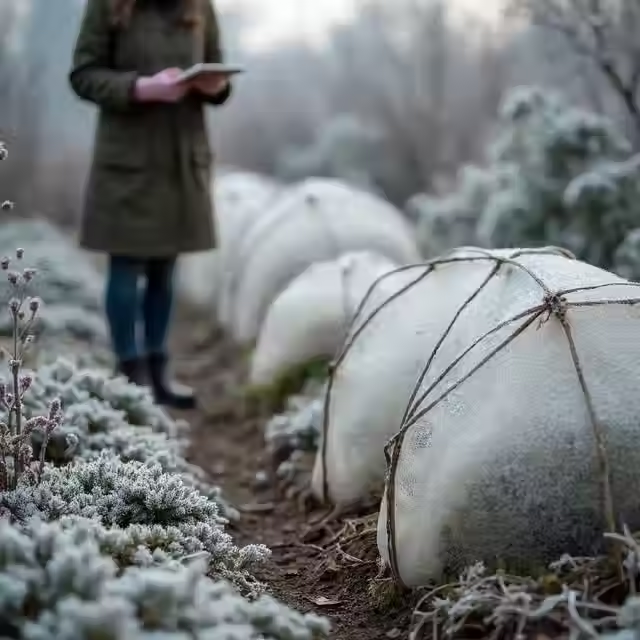
fleece for cold snaps
cloches for early crops
windbreaks for exposed plots
Remove protection on mild days to avoid overheating.
🐛 6. Dealing With Early Pests & Weeds
Weeds
Remove weeds while small
Hoe on dry days
Mulch once soil warms
Pests
Slugs target young seedlings
Birds pull up new plants
Early prevention:
barriers
netting
careful watering
🛠️ 7. Tools, Water & Infrastructure
Spring is the time to:
clean and sharpen tools
check communal water access
repair beds and supports
set up compost bays
Doing this early saves time later.
📋 8. Planning & Pacing Yourself
Avoid the spring burnout trap:
Don’t plant everything at once
Leave space for succession sowing
Expect weather delays
A half-planted plot in good condition beats a fully planted plot that’s struggling.
Quick Guide Info
Season:
Difficulty:
Updated:
Plot Management
Join the Discussion
Share your experience with this guide and learn from other gardeners.
Related Growing Guides
Sorry, no other guides found for this season.




Advertisement Space
Place your ads here