Plot Management
Jun 2024
Summer Harvest: Maximising Your Yields

Summer is when the allotment rewards your earlier work — but it’s also when problems appear fastest. Heat, drought, rapid growth, pests, and gluts can overwhelm even experienced growers. Good summer preparation is about maintaining momentum, protecting plants, and working smarter — not harder.
This guide explains how to prepare for summer conditions, manage crops efficiently, and keep your plot productive without burnout.
☀️ 1. Why Summer Preparation Matters
Summer prep helps you:
protect crops from heat and drought
maintain soil moisture
manage rapid plant growth
reduce losses to pests and stress
keep harvesting consistent
Without preparation, summer often leads to:
constant emergency watering
bolting crops
pest explosions
exhaustion and frustration
💧 2. Watering Strategy for Summer
Water Less Often, But Better
Summer watering should be deep and targeted.
Best practice:
water early morning or evening
water soil, not leaves
soak thoroughly, then allow soil to dry slightly
Avoid:
frequent light watering
midday watering
watering paths or bare soil
Prioritise Water Use
When water is limited, prioritise:
seedlings and new plantings
fruiting crops (tomatoes, courgettes, beans)
containers and raised beds
Hardy, established crops can tolerate some stress.
🌾 3. Mulching: The Summer Essential
Mulching is the single most effective summer job.
Benefits:
reduces water loss
cools soil
suppresses weeds
improves soil health
Best summer mulches:
compost
grass clippings (thin layers)
straw
leaf mould
Apply mulch after watering for maximum benefit.
🌱 4. Managing Rapid Growth
Summer plants grow fast — unchecked growth causes problems.
Regular Jobs
tie in climbing crops
pinch out tomatoes
thin crowded plants
remove damaged growth
Doing small jobs weekly prevents major fixes later.
🥕 5. Harvesting & Succession Sowing
Harvest Little and Often
Regular harvesting:
encourages more production
prevents crops becoming woody or bitter
reduces pest attraction
Succession Sowing
To avoid gluts:
sow salads every 2–3 weeks
replace harvested crops quickly
use gaps for fast growers (radish, lettuce)
Summer is about continuous cycles, not one big harvest.
🐛 6. Pest & Disease Watch (High-Risk Period)
Summer warmth accelerates pest lifecycles.
Watch for:
aphids
slugs during wet spells
caterpillars
powdery mildew
Best prevention:
healthy soil
good airflow
early intervention
physical protection before damage spreads
🌬️ 7. Heat, Sun & Wind Protection
During heatwaves:
shade young plants temporarily
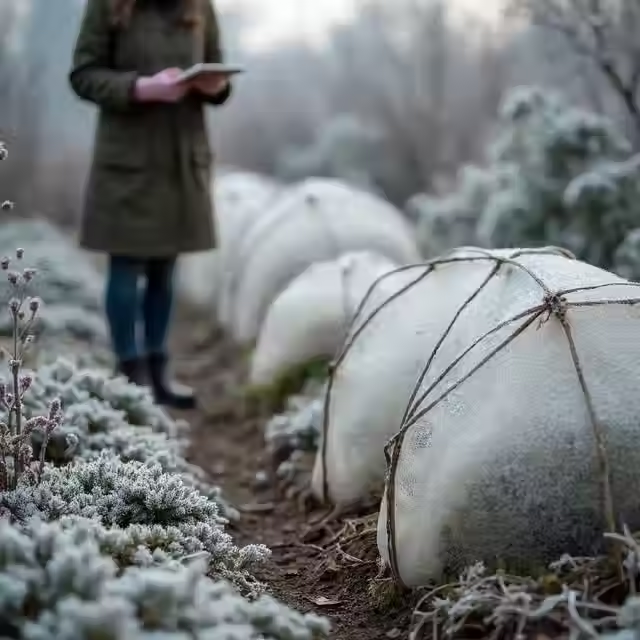
use fleece or mesh as sun protection
water soil deeply, not foliage
Wind:
dries soil quickly
damages tall crops
Windbreaks and staking are summer essentials.
🛠️ 8. Infrastructure & Plot Management
Summer is the time to:
check watering access regularly
repair supports under load
keep paths clear
manage compost inputs (greens-heavy season)
Small checks now prevent crop losses later.
🧠 9. Pacing Yourself Through Summer
Avoid burnout by:
accepting imperfect beds
prioritising key crops
harvesting before tidying
skipping non-essential jobs during heat
A productive allotment doesn’t need to look perfect.
🧠 Key Summer Principles
Mulch beats watering
Harvesting is maintenance
Prevention saves effort
Consistency matters more than intensity
Quick Guide Info
Season:
Difficulty:
Updated:
Plot Management
Jun 2024
Join the Discussion
Share your experience with this guide and learn from other gardeners.
Related Growing Guides
Sorry, no other guides found for this season.




Advertisement Space
Place your ads here