Plot Management
Dec 2024
Winter Gardening: Planning and Protection
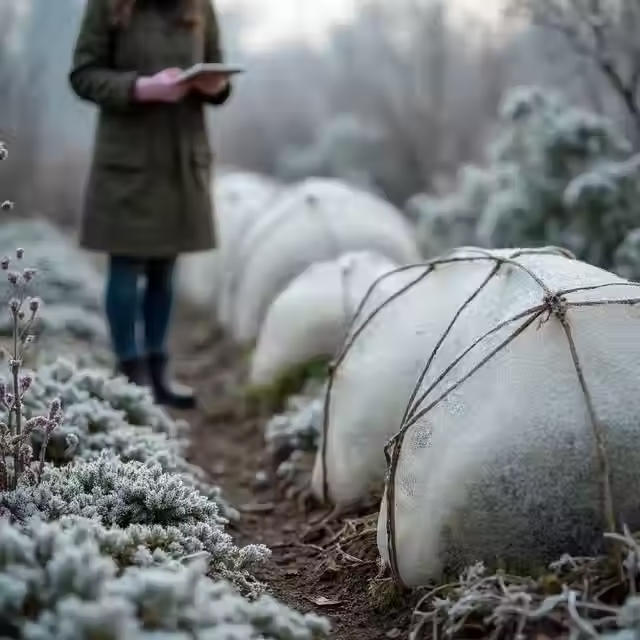
Winter is a quieter time on the allotment, but it’s not a time to abandon the plot. Smart winter preparation protects soil structure, prevents damage, and makes spring far easier. The aim isn’t constant work — it’s protection, observation, and light maintenance.
This guide explains what to do before hard frosts arrive, how to look after soil and overwintering crops, and what jobs are best saved for winter.
❄️ 1. Why Winter Preparation Matters
Good winter prep helps you:
prevent soil compaction and erosion
protect overwintering crops from damage
reduce spring workloads
keep tools and structures safe
Poor winter prep often leads to:
waterlogged beds
broken structures
lost crops
a rushed, difficult spring start
🌾 2. Protecting Soil Over Winter (Top Priority)
Avoid Working Wet Soil
Winter soil is easily damaged.
Don’t dig or fork wet ground
Avoid walking on beds
Stick to paths only
Compaction now can affect crops for years, not months.
Keep Soil Covered
Bare soil suffers in winter.
Best winter covers:
compost or manure mulch
leaf mould
green manures
cardboard topped with organic matter
Covering soil:
reduces nutrient loss
prevents erosion
feeds soil life slowly
🌱 3. Overwintering Crops: Care & Protection
Common overwintering crops include:
leeks
kale
Brussels sprouts
winter cabbages
garlic and overwintering onions
Frost & Wind Protection
Most winter crops are hardy, but protection helps in extremes.
Use:
fleece during severe cold
windbreaks on exposed plots
mulch around roots
⚠️ Avoid permanent coverings — airflow is still important.
🧹 4. Tidying Without Overdoing It
Winter tidying should be selective.
Remove:
diseased plant material
rotting crops
unstable supports
Leave:
healthy roots in soil
some plant debris for wildlife
seed heads for birds
A slightly untidy plot is often a healthier plot.
🛠️ 5. Tools, Structures & Infrastructure
Tool Care (Ideal Winter Job)
Clean soil from tools
Dry thoroughly
Oil metal parts
Sharpen blades
Well-maintained tools last longer and work better.
Structures
Secure sheds and greenhouses
Remove shading from glass
Check fixings after storms
Winter winds cause more damage than frost.
🌧️ 6. Managing Water & Drainage
Winter brings excess water rather than drought.
Clear blocked drains and ditches
Improve muddy paths with woodchip
Check water butts are secure or partially emptied
Standing water damages roots and soil structure.
🐦 7. Supporting Wildlife in Winter
Winter is when wildlife needs the allotment most.
Simple actions:
leave log or leaf piles
avoid disturbing soil unnecessarily
provide water if possible
This supports natural predators for next season.
📝 8. Planning & Light Winter Jobs
Winter is perfect for:
reviewing the past season
planning crop rotation
ordering seeds early
building beds or compost bays
These jobs are productive without stressing the soil.
🧠 Key Winter Principles
Protect soil first
Less disturbance is better
Winter is for maintenance, not heavy digging
Small jobs now prevent big jobs later
Quick Guide Info
Season:
Difficulty:
Updated:
Plot Management
Dec 2024
Join the Discussion
Share your experience with this guide and learn from other gardeners.
Related Growing Guides
Sorry, no other guides found for this season.


Advertisement Space
Place your ads here